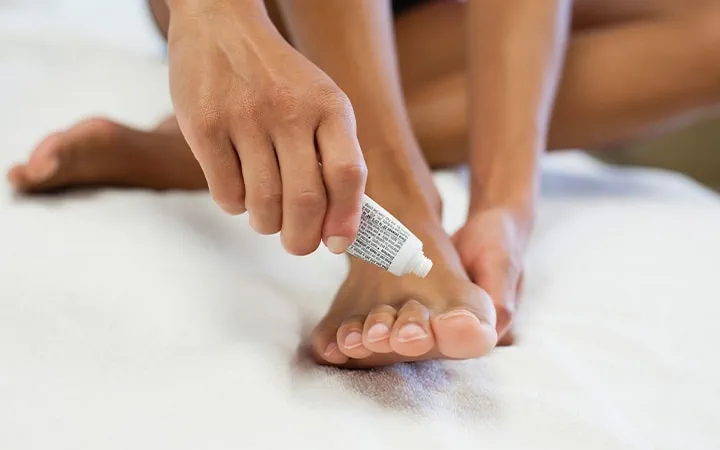

Recently, a radical change has taken place in healthcare. More and more people are looking for care that fits their lifestyle and comfort zone. A notable, observable trend is the increasing involvement of telemedicine consultations for diseases such as nail fungus. This transition reflects the changing expectations of patients and the role of technology in healthcare.
Convenience for busy schedules
Most people’s lives are full of work, family and social activities. Clinic visits usually take up a lot of travel and appointment time. Instead, telehealth against nail fungus allows you to consult a healthcare professional from your home or office. This flexibility allows patients to receive the consultation that is most convenient for them without interrupting their daily schedule. This convenience is the number one reason why busy individuals choose online care over other alternatives.
Privacy and comfort at home
Concerns about privacy and shyness usually prevent individuals from seeking nail fungus treatment. Telehealth solutions eliminate the need for physical meetings at crowded clinics. This arrangement allows patients to avoid anxiety and confusion by discussing their concerns in a familiar environment. This level of privacy will allow more people to avoid delays and ensure early treatment of their symptoms.
Access to specialist care
For those living in rural or remote areas, getting a podiatrist can be a bit more challenging. This is where telehealth technology comes in, connecting patients with experts, no matter where either party is located. Individuals who would otherwise wait for care can consult with expert staff immediately. More convenient access also leads to faster diagnosis of nail fungus and better treatment plans.
Faster diagnosis and treatment
In the case of nail fungus, the sooner the treatment is started, the greater the probability of success. Virtual counseling means patients can quickly send photos and descriptions of symptoms. Thus, professionals do not need to delay unnecessarily in reviewing materials, making a diagnosis, and recommending treatment. This approach speeds up the time from onset of symptoms to initiation of treatment, thereby increasing the likelihood of a favorable outcome.
Reduced exposure to infections
The physical environment of a clinic visit can also put patients at risk of acquiring other viruses and bugs from other people during hospital visits and check-ups. Many individuals, especially the compromised immune systemsrather skip the crowded waiting room. Telehealth reduces exposure risk by providing a safe environment for consultations. In a season where the flu and other illnesses can circulate non-stop, this added security can be very beneficial.
Continuous support and supervision
Treatment of nail fungus is likely to take several months, so regular follow-up is essential to assess progress and change therapy if necessary. Telehealth allows you to set up regular check-ins without the hassle of constantly traveling back and forth. Patients can update their healthcare providers with pictures and report problems while keeping the treatment cycle open and continuous.
Cost effectiveness
Many families are still concerned about health care costs. Virtual visits can save you money on travel, childcare or time off work. Insurance plans offer lower reimbursements for telehealth visits than for in-person appointments. For some, the availability of specialist care lowers costs and opens it up to a wider range of patients.
Empowerment through information
Consultations through telehealth platforms usually include educational materials. It allows patients to learn about prevention, self-care and treatment options. With this awareness, a person can better manage their foot health. Patients who are more aware are more engaged in their recovery and are more likely to follow prescribed guidelines.
Patient satisfaction and trust
Users of telehealth services reported an improved satisfaction rate. Patients benefit from quick responses, easy messaging and convenient care. Remarkable experience is increasing confidence in virtual health models, and more and more people are considering online consultation for such issues.
Conclusion
Convenience, privacy, and the desire for control over the care experience are three things that modern healthcare consumers are looking for. Telehealth meets these criteria while providing high quality medical care. As the public becomes more aware of its benefits, it may become a more common toenail fungus treatment. If all goes well, this trend could make smart care more inclusive, seamless and convenient for anyone experiencing the condition.