
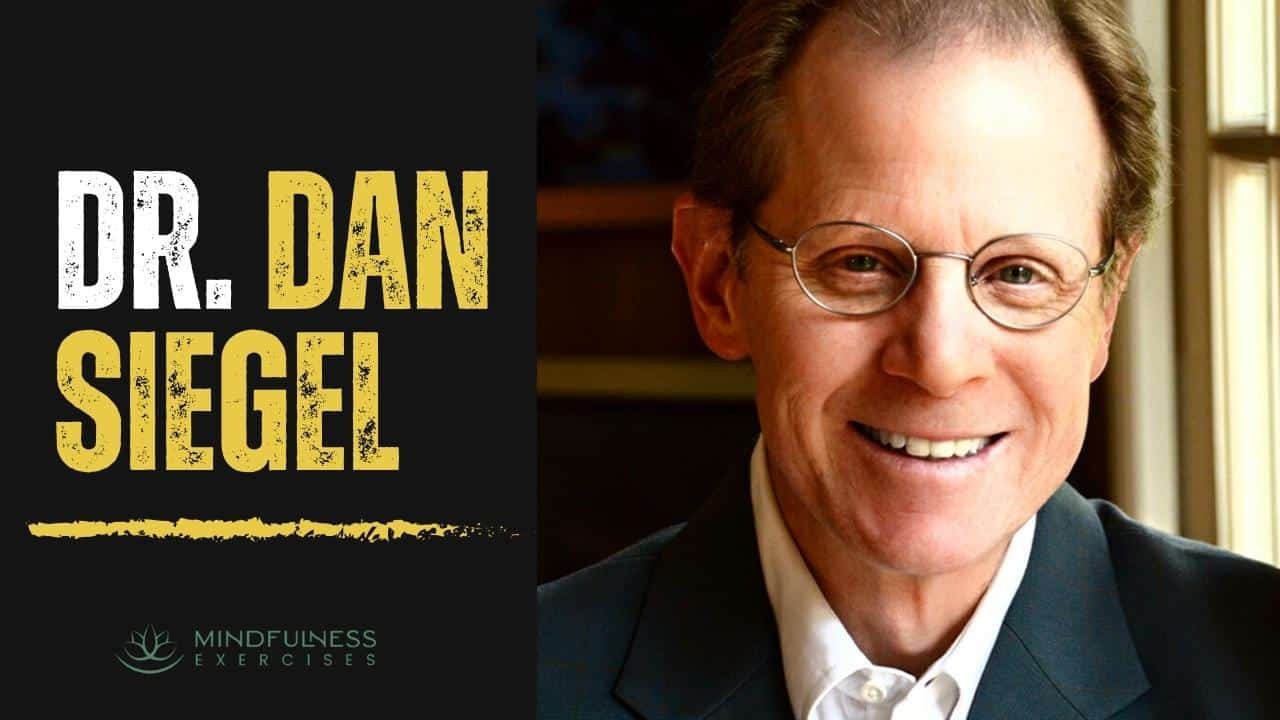

Mindfulness is not just about meditation; it’s about how we meet life’s joys and challenges with awareness, compassion and courage.
This week I have been thinking about self-compassion, a quality that is often misunderstood. Many of us think that being kind to ourselves means being weak, selfish, or indulgent. Yet, as Dr. Chris Germer and Dr. Kristin Neff often emphasize, self-compassion is actually a source of strength because it allows us to face our pain honestly and mindfully, rather than with avoidance or harsh judgment.
Inspired by Dr. Siegel’s perspective, I explore how mindful awareness helps us maintain grounding and resilience in our struggles, especially when life seems uncertain or overwhelming.

Here’s what’s been on my heart and mind this week:
What I can empathize with: 5 myths of self-compassion
With a broken ankle, recurring headaches, and the constant challenge of being human, I’ve noticed how quickly barriers to self-sufficiency can arise. Self-compassion often misunderstood, but awareness helps me see through the myths:
1. “Self-pity is just self-pity.”
It’s easy to confuse self-pity with self-pity because both involve turning inward when we’re suffering. But while self-pity isolates us—focusing on how bad things are and why life feels unfair—self-pity opens us up to our shared humanity. We begin to see that pain, loss, and hardship are part of being human, not personal failures.
Many people resist self-compassion for fear of getting caught up in their emotions, as if kindness will empower the victim. In fact, a gentle acknowledgment of the pain helps you get through it faster. When I allow myself to say, “It hurts, and that’s okay,” I create space for healing rather than drowning in self-focus.
Take away: When you feel overwhelmed, put your hand over your heart and say, “This is hard right now, and I’m not alone.” Notice how this simple gesture transforms pity into presence.
2. “It makes me weak.”
Strength is often confused with repression—the ability to push through without showing pain. Many of us have been taught to hide our vulnerability in order to appear competent, resilient, or in control. However, this repression gives rise to burnout, dissociation and self-criticism. Compassion does not make us weak; it allows us to be honest about our limitations while showing courage.
Dr. Siegel reminds us that real strength is resilience—the ability to remain open to experience without collapsing or becoming rigid. When I practice self-compassion in moments of exhaustion or shame, I don’t give up. I choose to meet myself with honesty and care that gives energy back rather than draining it.
Exercise: The next time you feel pressured to “hold it together,” take three slow breaths and ask yourself, “What would it look like for me to hold it together now?” Then do one small thing that feels nourishing.
3. “It’s selfish.”
This myth runs deep, especially for those who were previously taught to care for others. We may fear that meeting our needs will make us self-centered or worthless. But self-compassion doesn’t mean ranking ourselves over it’s about involving others – ourselves between others. When we give out of exhaustion, our caring becomes strained, resentful, or performative.
Mindfulness helps us see that genuine compassion flows more freely when we have inner resources. With inward kindness we fill the well from which we give. In everyday life, this looks like setting boundaries, relaxing without guilt, or talking to yourself gently after a mistake.
Take away: Remember the oxygen mask principle: taking care of yourself first doesn’t mean you care less about others. Try repeating, “My well-being supports the well-being of those I love.”
4. “Lets you off the hook.”
Some people fear that if they practice self-compassion, they will stop holding themselves accountable—that they will excuse harmful choices or lack of effort. But self-compassion is not indulgence; it is an honest confrontation with our humanity. Harsh self-criticism often creates feelings of defensiveness or shame, which reduces motivation.
In contrast, self-awareness supports growth because it roots accountability in understanding, not punishment. When I face my mistakes with curiosity instead of contempt, I learn more, not less. This shift changes the “What about me?” the “What can I learn from this?” The result is true responsibility based on wisdom.
Exercise: The next time you make a mistake, write yourself a short note about your understanding—how you feel, what you learned, and what you’ll try next. Notice how self-compassion binds you, not complacency.
5. “Too soft.”
Our culture often glorifies toughness, productivity, and emotional control. Against this background, the sense of self may seem naive or indulgent. But softness isn’t weakness—it’s a form of strength that sustains us when life feels hard. Being gentle with ourselves doesn’t mean avoiding hard truths; it means facing them without causing unnecessary suffering.
Think about how a tree bends in the wind – it survives because it breaks, it doesn’t give way. When I treat myself gently in the midst of pain, I discover a quiet resilience that hardness could never provide. This kind of inner softness gives courage, patience and real confidence.
Take away: When life feels burdensome, she whispers to herself: “I can be gentle and strong at the same time.” Let this be a reminder that compassion is not softness, but solidity in motion.
Which of these myths resonates with you the most?
Pause for a moment and notice which belief feels most familiar or true to you. Maybe it’s the still small voice that tells you that being kind to yourself is indulgent, or the one that insists that you have to “toughen up” to survive. Whatever comes up, approach it with gentle curiosity rather than judgment. Recognizing your personal myth is the first step towards softening it.
You can journal about where this belief comes from—whose voice it resonates with and how it has shaped the way you treat yourself. Then choose one of the strategies above to begin changing your perspective. Whether it’s placing your hand on your heart, taking three conscious breaths, or writing a note of understanding, practice meeting this belief with awareness and compassion. Over time, you will notice how awareness loosens the rule of myth and makes room for something kinder, more stable, and truer.
A Conversation with Dr. Dan Siegel: The Fading of Myths
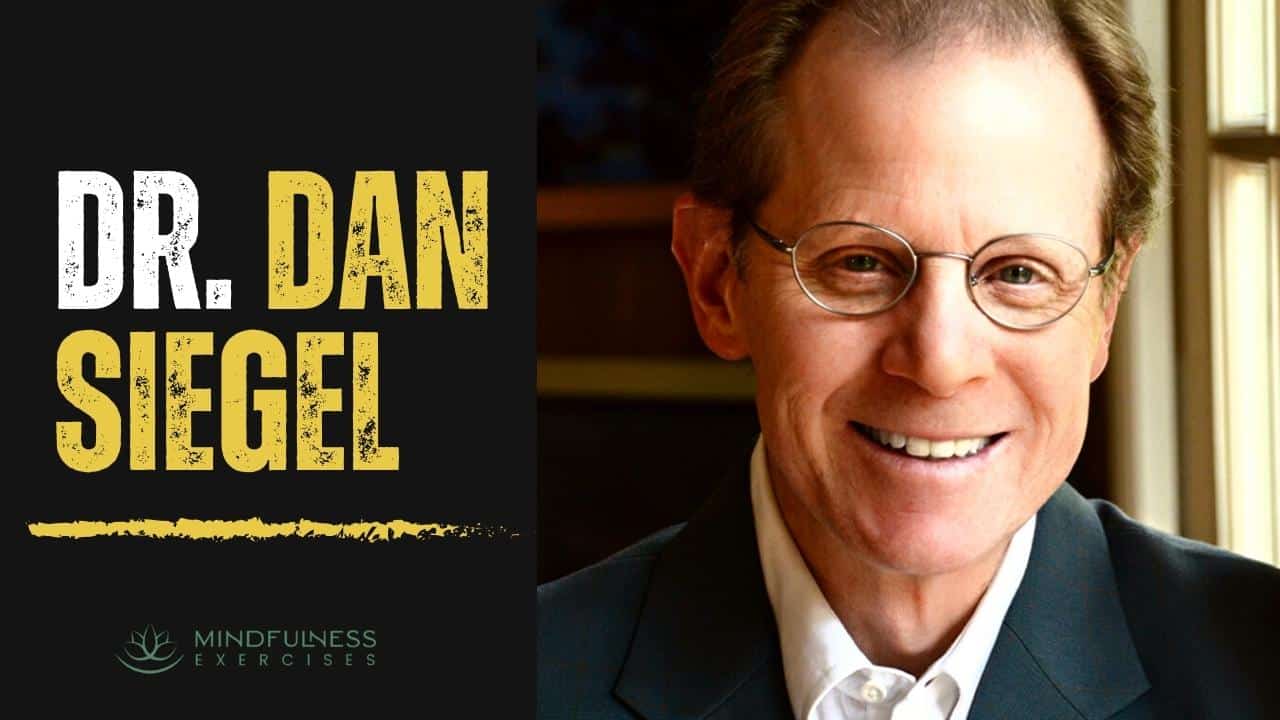
I’m thrilled to sit down with Dr. Dan Siegel for our next podcast episode. Dr. Siegel is a world-renowned psychiatrist, author, and teacher whose work on interpersonal neurobiology has transformed the way we understand mindfulness, relationships, and the brain.
He is also the creator of Wheel of Consciousnessan effective practice for cultivating presence.
If you could ask Dr. Siegel one question about your mind, resilience, or mindful living, what would it be? I want to bring your curiosity into the conversation.
What I practice: Sitting in silence
Awareness is sometimes about simplicity. This week my practice was:
- Sitting quietly.
- Resting my tired body.
- I feel the current of life flowing through me.
No more, no less.
What I recommend: Grief and Loss Course with Dr. Rick Hanson
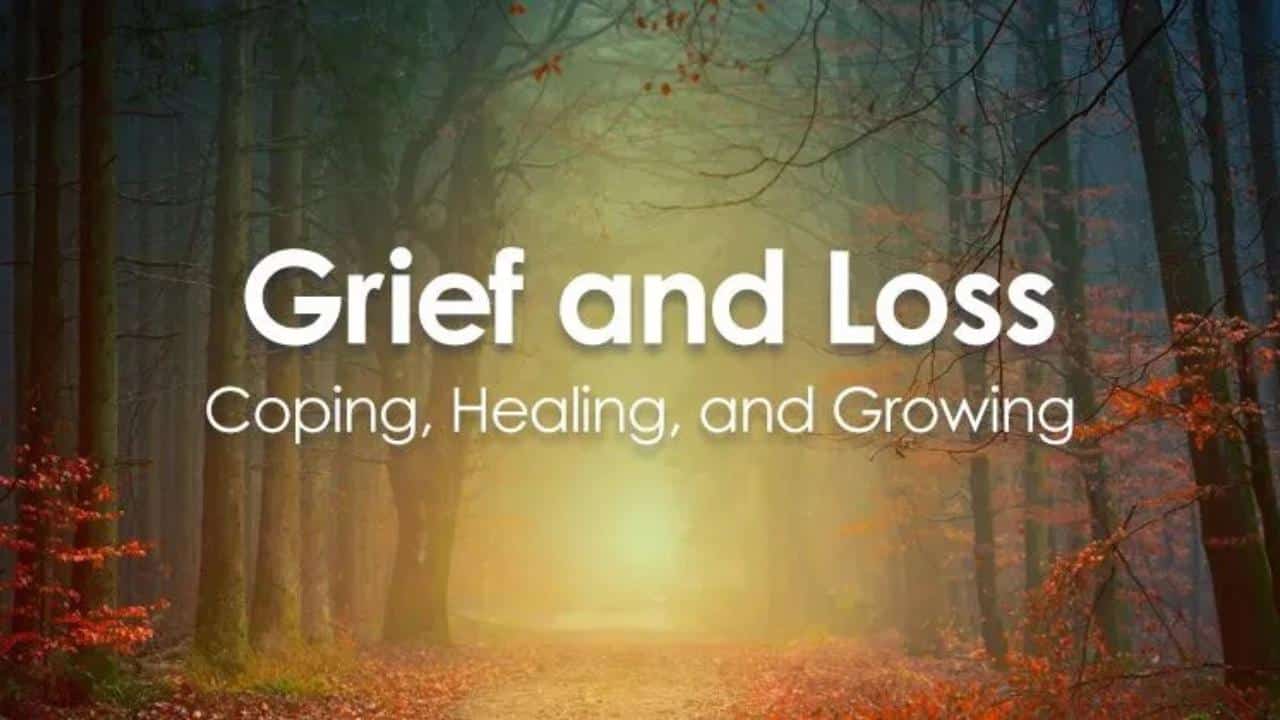
Most of us carry grief – often in silence. Our hearts can be weighed down by the passing of loved ones, the end of relationships, changes in health, or even grief over the state of the world.
That’s why I recommend it Dr. Rick Hanson’s Grief and Loss Coursefrom Saturday. This course offers tools to process grief, increase inner strength, and feel at ease again.
If you have suffered losses of your own and want to learn how to make space for your grief without being overwhelmed, this is a great opportunity.
The Poem I Love: Breaking Surface by Mark Nepo
Mark Nepo’s poetry touches the soul. Here’s one that led me:
“Let no one hold you back from your path, not a rabbi, not a priest, not a mother who wants you to dig for treasure because you fell ill, not a father who doesn’t allow one life to be enough, not a lover who measures your worth by what you might give up…
It’s a beautiful reminder that we are all explorers – with our own compass and coast to explore.
Final reflection
Mindfulness is not about doing it “right”. It’s about noticing how we relate to ourselves in moments of struggle. All of these self-compassion myths remind us how easily we confuse kindness with weakness, responsibility with shame, or caring with selfishness. Yet when we look closely, we see that self-compassion is the solid ground beneath all mindful living.
As you move through the week, notice when these myths surface—when you criticize yourself for needing rest, or when you resist being soft in the face of pain. Use the strategies offered here: stop, breathe, put your hand over your heart, or write yourself a note of understanding. These small gestures are not arbitrary; this is how healing begins.
May this gentle awareness help you meet yourself with more truth, tenderness, and courage.



