
Between 1984 and 2015 Inquiring Mind was a semi-annual print journal devoted to the transmission of the buddhadharma to the West. The archive contains all thirty-one years Inquiring Mind interviews, essays, poetry, art and more – currently hosted by the Sati Center for Buddhist Studies. Please please consider donating to help with ongoing issues to keep the site running. This article originally appeared in the Fall 2005 issue Inquiring Mind.
There are two mudras or hand gestures in Buddhism that I hold dear. Statues and paintings of Buddhas and bodhisattvas often show them. One is “don’t be afraid”, or abhayamudra – right hand raised at chest level, palm facing outwards. He says: I am not afraid of fear, I do not close myself off, I remain fully present. It is strikingly similar to the greeting gesture associated with American Indians. “How!” they said, as I had seen in the movies and later learned the meaning of the raised empty hand: See, I carry no weapon, fear not.
The second hand gesture is the Earth touch bhumisparsha mudra Another name is the Witness of the Earth and is related to the story of when Gautama, soon to become the Buddha, sat down under the Bodhi tree. I imagine him actually saying, “I won’t wake up until I break through the mystery of the suffering we cause ourselves and others. Until I wake up to that, I won’t move.” This intention of the Buddha angered Mara, the personification of sin and death. Mara sent demons to frighten Gautama and dancing girls to distract him; but the future Buddha did not waver. Finally, Mara challenged her directly: “By what right and authority do you think you can unravel the mystery of suffering? Who do you think you are?”
Gautama offered no personal proof. No resume. He didn’t say, “I’m the son of a king. I graduated summa cum laude from the Yoga Institute and Harvard Business School.” He didn’t say anything about himself at all. It just touched the Earth. Freedom from suffering sought by the authority of Earth.
We can’t erase the reality of the end of oil and climate change, but we can choose how we respond to it.
So we can do this gesture too. We can touch the Earth. This act, even if only mental, reminds us of who we are and what we are about as we face the collapse of our oil-based economy and our oil-damaged climate. We are here for life. We are here by virtue of belonging to the Earth from the beginning of space and time.
These Buddhist mudras are reflected in the protocol used by the Haudenosaunee or Iroquois Six Nations Confederacy to open their treaty meetings. You can do the following gestures mentally or physically.
We extend our greetings and respect to those present at this meeting and to all those it will affect.
We sweep away the chairs we sit on to provide a free space for thoughts to meet.
We brush off the debris picked up along the way from our clothes – to clear our minds of extraneous things.
We wipe the blood from our hands – to acknowledge and apologize for any hurt we’ve caused.
We wipe the tears from our eyes – to acknowledge and forgive the hurt we have caused.
We take the lump out of our throats – to let go of any sadness or disappointment.
We take the grip off our chest – to let go of any fear or anger.
We acknowledge and pray for guidance to the Great Creator Spirit of All Life.
Snow. So be it.
We understand that the Confederacy of Six Nations weighed every decision based on its effects on the Seventh Generation. In order to apply such a practice ourselves, we must allow futures to appear in our minds. To help with this, I tried to imagine what the storytellers of the seventh generation could tell about us. Maybe they will say something like:
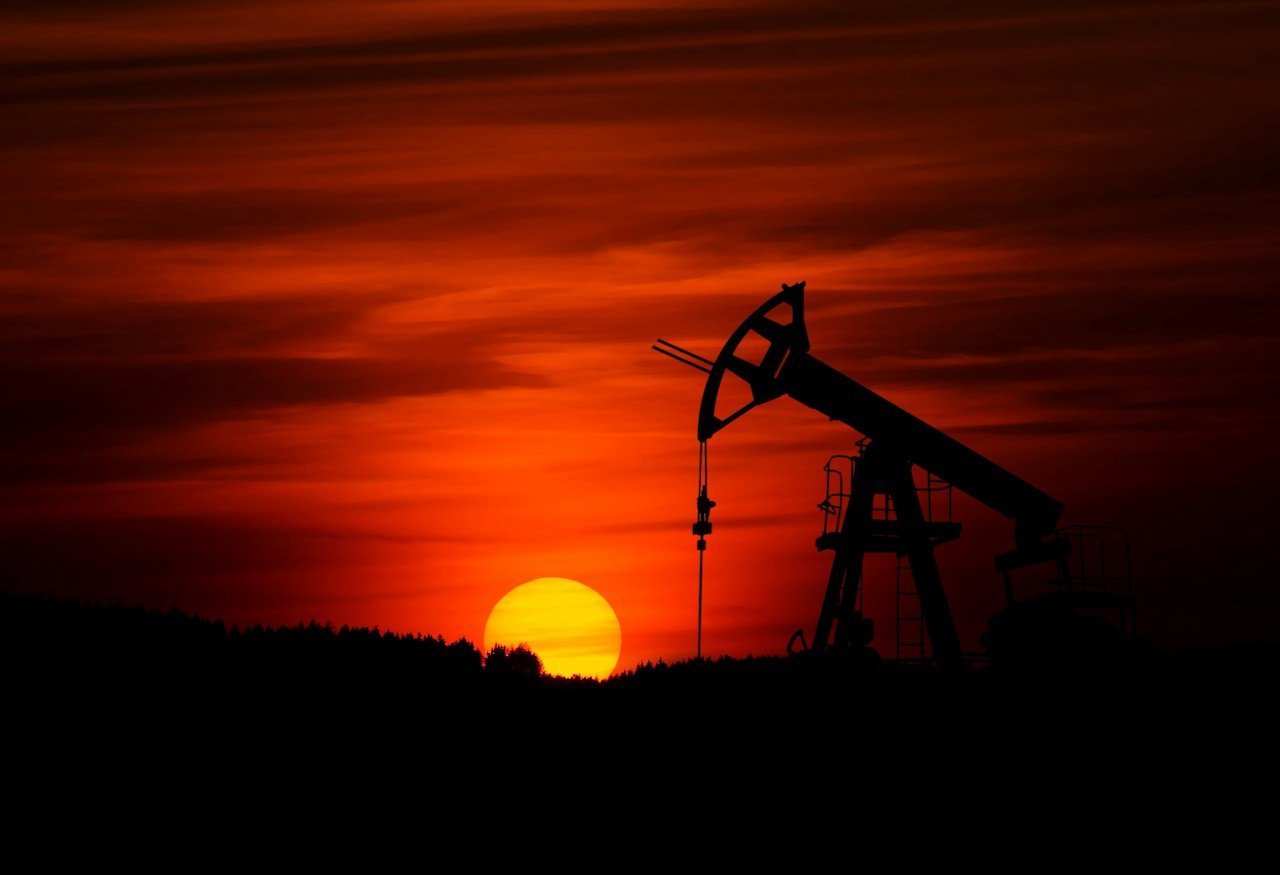
Once upon a time there was a great people. They had the greatest concentration of economic and military power the world had ever seen. And this great power of theirs comes from the ancient sunlight stored deep within the body of the living Earth. They felt they had a right to this black gold – a right to use it all, leaving nothing for us who came after. They felt entitled even when it was under the land of other peoples. They felt it was theirs because they depended on it for every aspect of their lives – food, clothing, shelter, travel and transportation, and communication with each other. They have lost the ability to imagine any other form of life.
Some voices warned that the black gold was running out and the end was coming soon. But these voices were hard to hear. More warnings have arrived: the burning of black gold will upset the seasons and weather patterns and bring about huge climate changes in the Earth’s metabolism. But it seemed too vast and too distant to be taken seriously, until then. . .
Until it all happened, faster than anyone thought possible. Black gold is increasingly difficult to find and more expensive to pump. The point at which the decline began was called peak oil. At the same time, it was clear how the melting arctic ice changed the ocean currents that stabilized the climate for thousands of years. Droughts and floods have increased, hinting at the suffering caused by famine, riots and mass migration.
We know, that’s all future storytellers can say. What will they tell you? What kind of drama will they remember?
Of course, this partly depends on us, because we live with it. We can’t erase the reality of the end of oil and climate change, but we can choose how we respond to it.
It seems to me that there are two responses to the massive collective trauma. One is contraction—the closing in of denial and fear, the clenching of the heart and fists. The other is opening – open your eyes, your heart, your hands, releasing the ability to adapt and create. We know we can because it’s happening all over our world right now.
A revolution is underway. You might not see it if you don’t know where to look, because in the words of Gil Scott-Heron
“This revolution is not televised.”
But as soon as we become aware of this tidal change, the end of oil does not seem like some hopeless, horrible fate, but an adventure that requires all our wisdom and passion for life.
Many people call this adventure the “big turn”. This is an epochal shift from industrial growth to a life-sustaining society. This is the context in which we can see the end of oil and climate change. These two major disruptors of normality weave through all our other environmental struggles and play a role in our militarism, social inequality, and abuse of political power. They sound the death knell of our industrial growth society more clearly than other crises and disasters.
So those future storytellers who look back on our time can talk about the Great Turning. I can imagine them saying:
Our ancestors at that time, bless them, did not know whether the Great Turn could succeed. It is impossible to say whether a life-sustaining culture can emerge from the death throes of a society of industrial growth. It probably seemed hopeless at times. Their efforts often seemed isolated, meager, and obscured by the confusion. Still, they went forward, did what they could – and because they persevered, the Great Turn happened.
We, living today in the midst of all this, can learn to see the Great Turn if we focus on its three dimensions. They arise together and reinforce each other. The first dimension is retention of actions taken to protect life; they serve to slow down the destruction caused by industrial growth society and buy time for more fundamental changes. The second includes all the life-affirming structures now emerging: fresh social and economic experiments from land trusts, ecovillages, and local currencies to alternative forms of education and healing, many of which are inspired by old, indigenous ways. And the third dimension consists of a profound change in our perception of reality. As soon as the ecological and systemic worldview is strengthened, our planet appears before us not as a supply house and channel, but as a living network of relationships. And as the ancient spiritual teachings resurface, we realize our essential identity with this web of life and accept our sacred responsibility to honor and serve it.
This multidimensional revolution holds so much promise that I can’t help but compare it to the first turning of the wheel when the Buddhadharma broke out into the world. Our radical connection with each other and with all beings in space and time becomes clear again. And now our survival depends on waking up to this reality.
This major reversal does not change the facts about the end of oil and climate change. It cannot save us from the great and painful challenges they bring upon us; but it enables us to deal with them wholeheartedly with wisdom and courage. Because, like those two mudras – Do not be afraid and Touch the Earth – this also grounds us in our mutual belonging.
In this mutual belonging lies our solidarity – with past and future generations and with each other. There is no end to this resource. It will never run out.
⧫
This article is adapted from a presentation given to the Postcarbon Institute, Oakland, California, on June 14, 2005, and originally appeared in the Fall 2005 issue. Inquiring Mind (vol. 22, no. 1). © 2005 Joanna Macy.
Connected Inquiring Mind articles:
Interview with Gary Snyder: A Non-Disposable World