
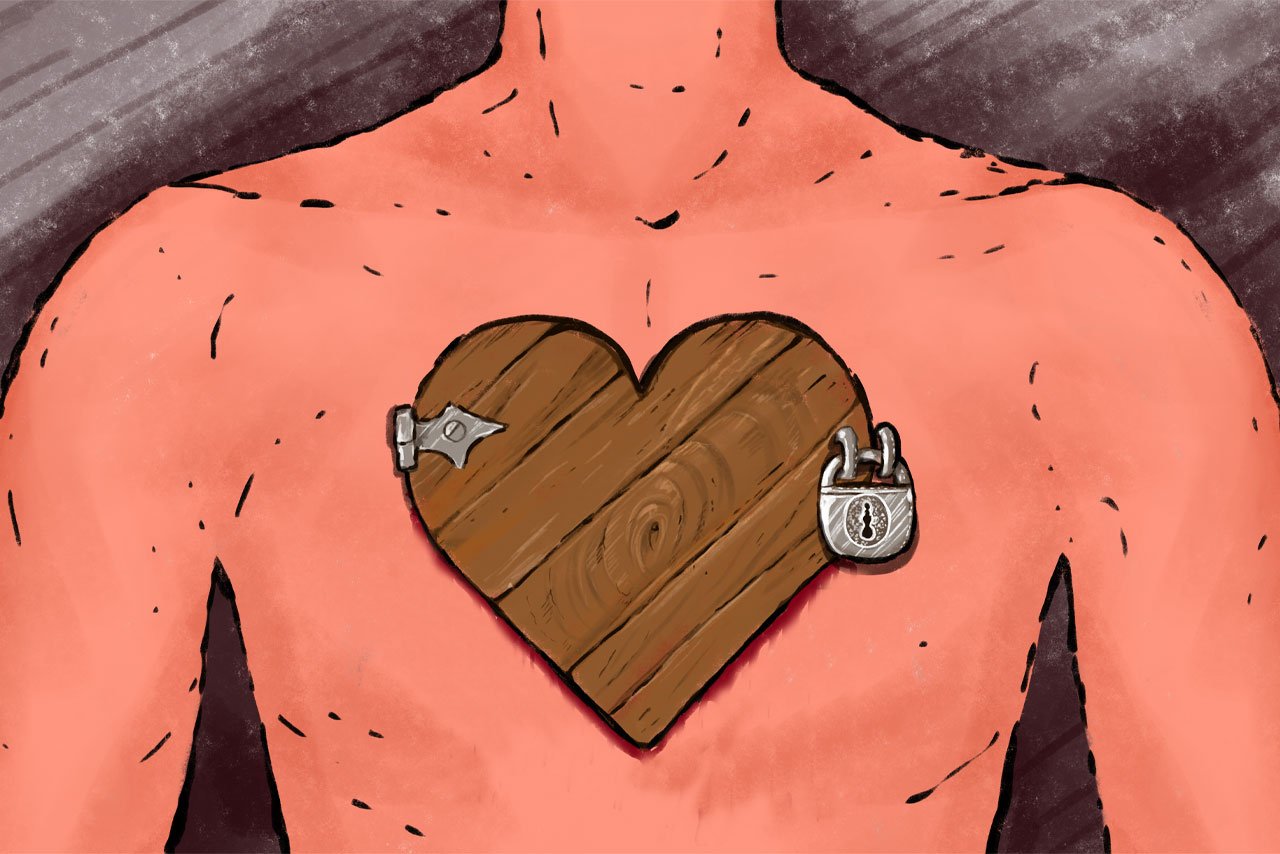

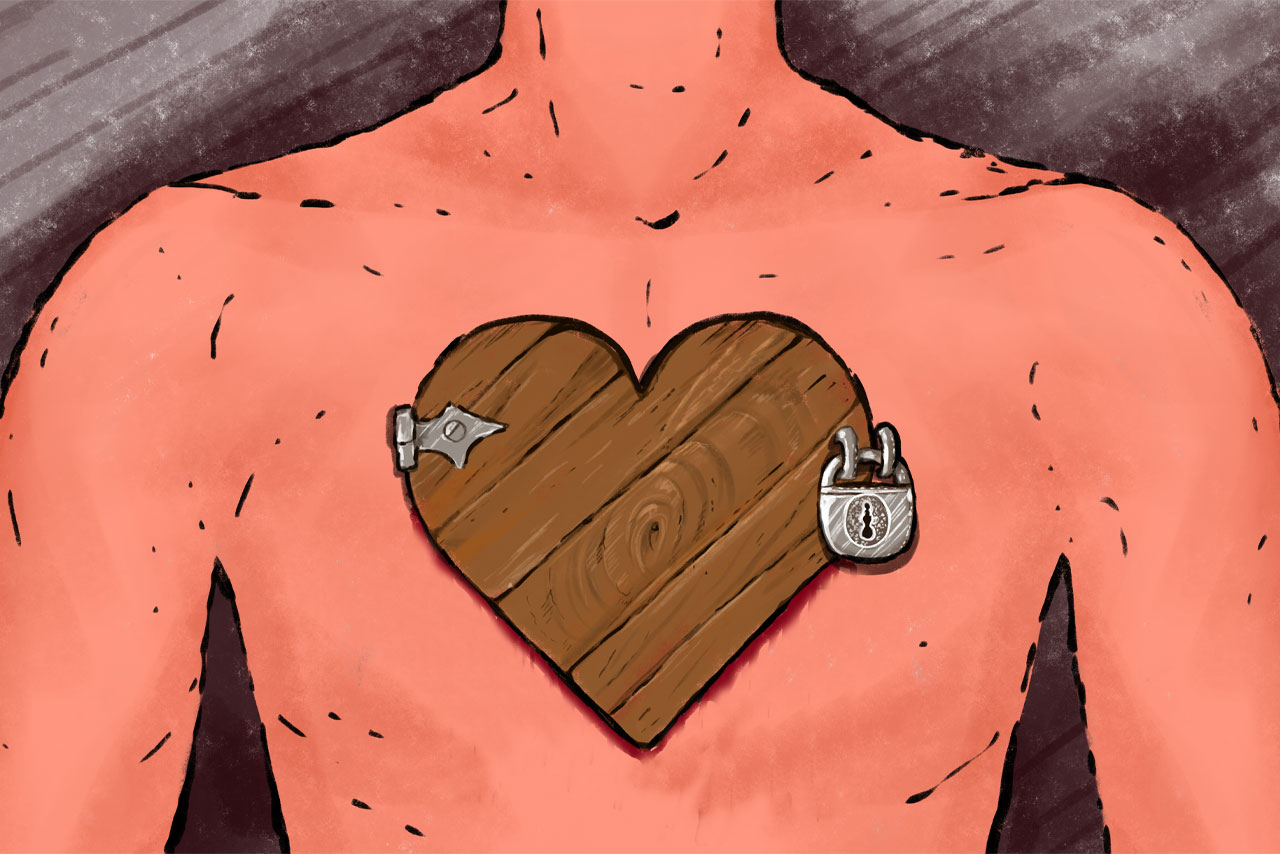
“Ultra-independence is a coping mechanism we develop when we’ve learned it’s not safe to trust in love, or when we’re afraid of losing ourselves in another. It’s not for going it alone. We’re wounded in a relationship, and we heal in a relationship.” ~A rising woman
Do you feel like you have to do everything alone?
Do you find it difficult to ask for and receive help because you are afraid of letting him down?
Have you ever heard the phrase “Ultra-independence can be a trauma response”?
If it’s you, I understand; it was me too.
Please know that there is nothing wrong with you. I have lived most of my life this way. This way of being was a survival strategy that kept me safe, but it was also very lonely. I lived in a constant state anxietyand it took a toll on me physically because I thought I had to do everything myself.
We often become ultra-independent because we don’t trust others and/or don’t feel worthy of being loved and supported. Or we believe that if we refuse to support others and do things ourselves, we will gain love and acceptance because we are not a burden.
Maintaining relationships and receiving support from others is a basic human need. When we say we don’t need anyone, it often comes from a part of ourselves that wants to protect us from hurt, abuse, criticism, disappointment, or rejection.
Even considering the possibility of wanting, needing, and/or receiving support from others, something inside us might say, “No way, it’s not safe,” so we keep those thoughts at bay.
We may think that if we ask for anything, we are weak or too needy, and this is codependency. But it’s not meant to be done alone; there is such a thing as healthy codependency.
Ultra-independence can be an extreme, unspoken boundary, so it can be important to learn how to define it healthy its borders so we can feel safe in situations where we thought we would lose ourselves.
Sometimes we feel like we need to be ultra-independent because we don’t feel safe being vulnerable and letting people in because if we do, they might see our flaws and insecurities or trigger our unresolved traumas and wounds.
We may carry deep shame within ourselves, and we don’t want to feel it, and we don’t want others to see it, so we stay away from connecting with and receiving support from other human beings.
One of the hardest things to grasp is that even though we have been hurt in relationships, we can find healing and safety in supportive relationships.
It didn’t make sense because in my relationships I often experienced criticism, hurt, rejection, and screaming for having natural human feelings and needs.
Part of me wanted support and relationships, but another part of me was afraid because as a child it would make my father angry if I asked for anything. It was hard to live in a world where I felt alone because I thought I had to do everything on my own while watching for everyone to get support and connect with family and friends.
For me, being ultra-independent ended up denying and suppressing my needs and feelings because it was too overwhelming to do everything on my own, especially at such a young age.
I became anorexic when I was fifteen and struggled with depression, anxiety and self-harm for over twenty-three years.
In the midst of that, I let my guard down in my twenties and had a boyfriend who I thought loved me because he bought me anything I wanted, but they were tied to it. If I don’t do what he wants, he takes the gifts back. He became obsessed, waiting outside my house when I wouldn’t talk to him and wooing me again with gifts and seductive words.
This confused me. “I only get support and stuff if I’m someone’s slave?” I wondered. After I finally broke up with him, I vowed to myself that I would never receive anything from anyone again.
Later, when I went to Palm Springs with a friend, I had the opportunity to heal that vow. We played the slots and he put in $20. I told him, “Your money if we win.” We won $200 on the first spin and he said to me, “Screw you, you won.”
When I got cash I chased him around the casino trying to put the money in his pocket. I didn’t want to get it from him because I thought, “Then I owe him and he owns me.”
Fortunately, he is someone I can share anything with and we talked about it. He said he knows my struggle, that he doesn’t want anything in return, and that it makes him happy to give gifts to his friends and family. This experience helped me see things differently.
My healing journey really began in my forties when I began to learn how to reconnect with myself, my needs and feelings and begin to heal the trauma I was carrying. I also learned how to ask for support, which was not easy in the beginning; some were angry with me and some were happy to fulfill my requests and demands.
Instead of blaming and shaming myself for thinking I had to do everything on my own, I made peace with the part of me that felt like I didn’t need anyone. Listening to her fears, I began to understand why she thought I needed protection.
He revealed to me the pain he felt when he was rejected, hurt and yelled at for having human feelings and needs, and that he didn’t want to go through that pain again.
As I listened to this part of myself with compassion, I acknowledged and validated the fear and pain she was experiencing, thanked her for doing what she was doing, and let her know that she was loved and safe now.
I asked him what he really wanted and he said, “I want to have real relationships. I want to feel safe and have support from others, but I’m scared.”
This younger part of me was stuck in perspective with my childhood trauma and the guy I dated. By giving this part of me the opportunity to speak and express its intentions, I was able to help him/her gain new understanding and feel loved and safe.
I started to have a more realistic picture of who was and wasn’t safe instead of just seeing it nobody safe based on outdated neural programming from my past traumas, hurts and pains.
My ultra-independence helped me recover from years of anorexia, depression, and anxiety. Even after twenty-three years of going to and from hospitals and treatment centers and doing conventional therapy and nothing working, I finally took charge of my recovery, and yes, I did most of it on my own.
However, when I was doing it alone, I also found it helpful to be in a loving and supportive environment with people who weren’t trying to fix me, control me, or save me.
It’s not meant to be or live life alone, but being alone can be comforting if you’re worried about others hurting you.
This does not mean that we should force ourselves to ask for and receive help from others, especially when we are afraid; it means developing a loving and caring relationship with ourselves and understanding where the need for ultra-independence comes from, which is the first step to letting people in.
A great question to ask yourself is, “Why isn’t it good to be supported?” Be with that part of you, allow it to show you what it believes in, and take the time to listen compassionately. Then ask what you really need and want.
Getting support does not mean being completely dependent on others; it’s just a setup for frustration and disappointment; it is also important to learn how to be independent and meet our needs. It’s not either/or. It’s both.
It’s also important to learn how to connect with your feelings and needs, how to communicate them, and how to make requests.
For example, if you’re going through a challenge and you want support from someone, you could say, “I’m having a hard time right now and I really want someone to talk to, someone who just listens without trying to change me or my situation. Would you be willing to do that?”
If this feels impossible for you, it may help to repeat some affirmations about letting people in and supporting them. If some of these don’t resonate, start with “I like the idea of…” instead of “I am.”
I deserve to be supported and loved.
I am worthy of heartfelt relationships.
It is safe for me to have this experience.
I am worthy to be seen, heard and accepted.
I am worthy of being loved and cared for by myself and others.
I am worthy to shine authentically.
I deserve help and support.
You don’t have to earn or prove anything. You are worthy just because you are you.
If you shut people out because of your past traumas, like I once did, know that you don’t have to do everything alone just because you’ve been hurt in the past. Some may let you down, but there are plenty of good people out there who want to love and support you – you just have to let them in.

About Debra Mittler
Debra Mittler a warm and compassionate healer with a unique ability to touch people’s hearts and souls. She likes to help others to love and accept themselves unconditionally, feel peace in her body and live authentically. Debra is a leading authority on overcoming obstacles and supports her clients by holding a space of unconditional love and offering encouragement, powerful tools, and valuable insights that allow them to experience and listen to their own inner wisdom.



