

In today’s fast-paced world, many of us struggle to quiet our busy minds. Even those who teach mindfulness or meditation often acknowledge the challenge of sitting still, noticing the chatter, and being present.
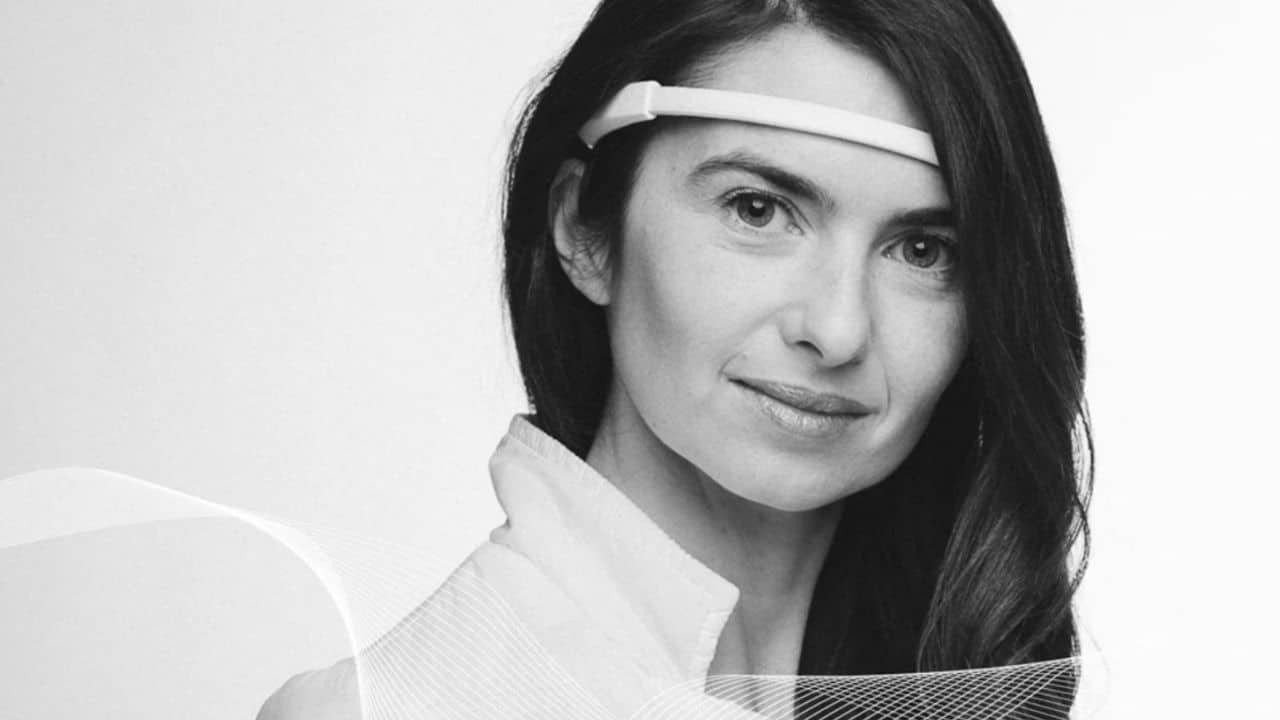
I recently had the pleasure of speaking with neuroscientist, psychotherapist, fashion designer and company founder Ariel Garten. Musethe brain-sensing headband that aims to make meditation more accessible.
Our conversation was inspiring and a reminder that mindfulness isn’t just about the mind, it’s about the body, the heart, and even the tools we choose to support our practice.
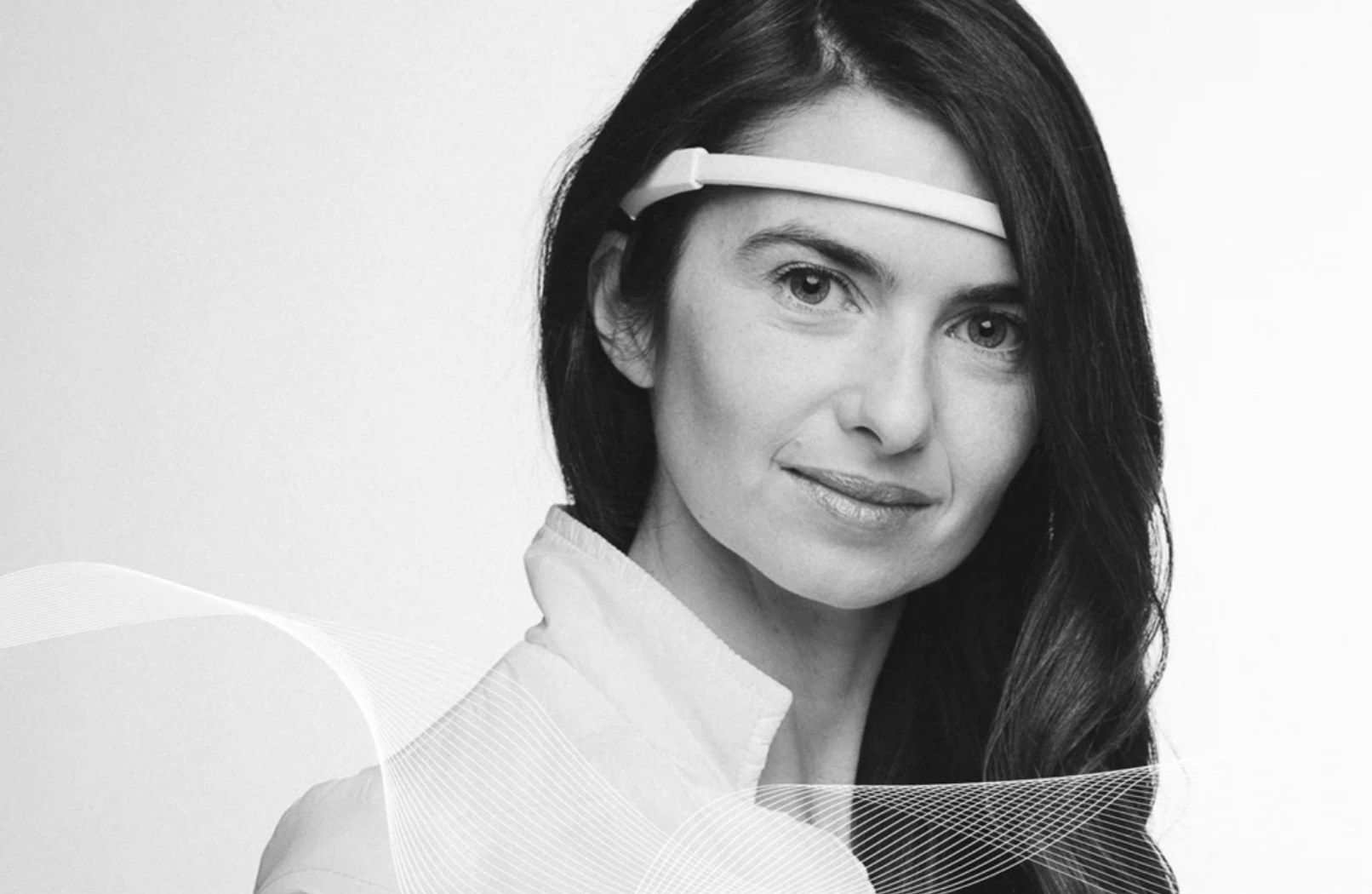
Ariel Garten Journey from Struggle to Innovation
Like many of us, Ariel found meditation difficult, even intimidating. His mind was constantly buzzing with ideas and the thought of quieting it seemed overwhelming. Instead of giving up, he turned this challenge into innovation and developed a Muse headband that uses EEG sensors to provide real-time feedback on brain activity.
This technology transforms abstract mental states into tangible ones and provides guidance through soundscapes, such as gentle waves for calm focus or stormy wind when the mind begins to wander. With consistency, Muse helps users strengthen the prefrontal cortex—the part of the brain responsible for focus and emotion regulation—much like exercising a muscle.
How the Muse improves meditation
One of the most impressive aspects of Muse 2 is the way it reflects the inner landscape of meditation. When your attention settles, you can hear soothing bird sounds as gentle reinforcement. When the mind drifts, the sounds shift—nudging gently back to awareness without judgment.
In addition to brain activity, Muse 2 also monitors heart rate and circulation using a PPG sensor. This opens the door to heart-centered meditation, where listening to the rhythmic drum sounds of your heartbeat deepens your interoception—the awareness of what’s happening in your body. Improved heart rate variability and emotional regulation are often byproducts of this practice.
Mindfulness without tools
While technology like Muse can be an excellent guide, mindfulness is ultimately about developing awareness, with or without tools. You can try the simple exercises right now:
-
Breath awareness: Mark your wandering thoughts as a “storm” and gently return to the breath, similar to Muse’s audio feedback system.
-
Heart meditation: Place your hands on your chest and notice how your heart rate changes with each inhalation and exhalation. Allow any emotion that arises to simply exist.
-
Body examination for sleep: Before going to bed, tense and release each muscle group while breathing deeply to relax your body and prepare for restful sleep.
These unplugged practices remind us that mindfulness is always available, no matter where we are.
The scientifically proven benefits of Muse
During our conversation, Ariel emphasized that Muse not only supports meditation practice, but also enhances cognitive performance. By measuring brain activity such as alpha peaks, Muse shows how consistent mindfulness can boost focus, creativity and resilience.
Studies have shown that Muse users often report:
-
Greater peace and relaxation
-
Improved ability to deal with distractions
-
Better sleep quality
-
Increased clarity and focus in everyday life
These benefits align with what I’ve seen in our community—mindfulness, whether technology-assisted or traditionally practiced, changes the way we meet life’s challenges.
Mindfulness as a lifelong practice
Ariel’s reminder that meditation is not about perfection resonated most deeply. It is a lifelong practice for nurturing our mental health, accepting our inner experiences, and gently guiding us in a healthier direction. Whether through technology like Muse or through unplugged awareness, the goal remains the same: to live a more present, compassionate and connected life.
Final thoughts
If you are interested in deepening your mindfulness practice, I recommend listening to the full episode with Ariel Garten. His story beautifully blends science, technology, and humanity, providing practical insight for beginners and seasoned meditators alike.
And whether you try Muse or explore these practices on your own, I’d love to hear your experiences. Share them in the comments or join the conversation on our community forum – together we can continue to support each other on this journey of conscious living.



