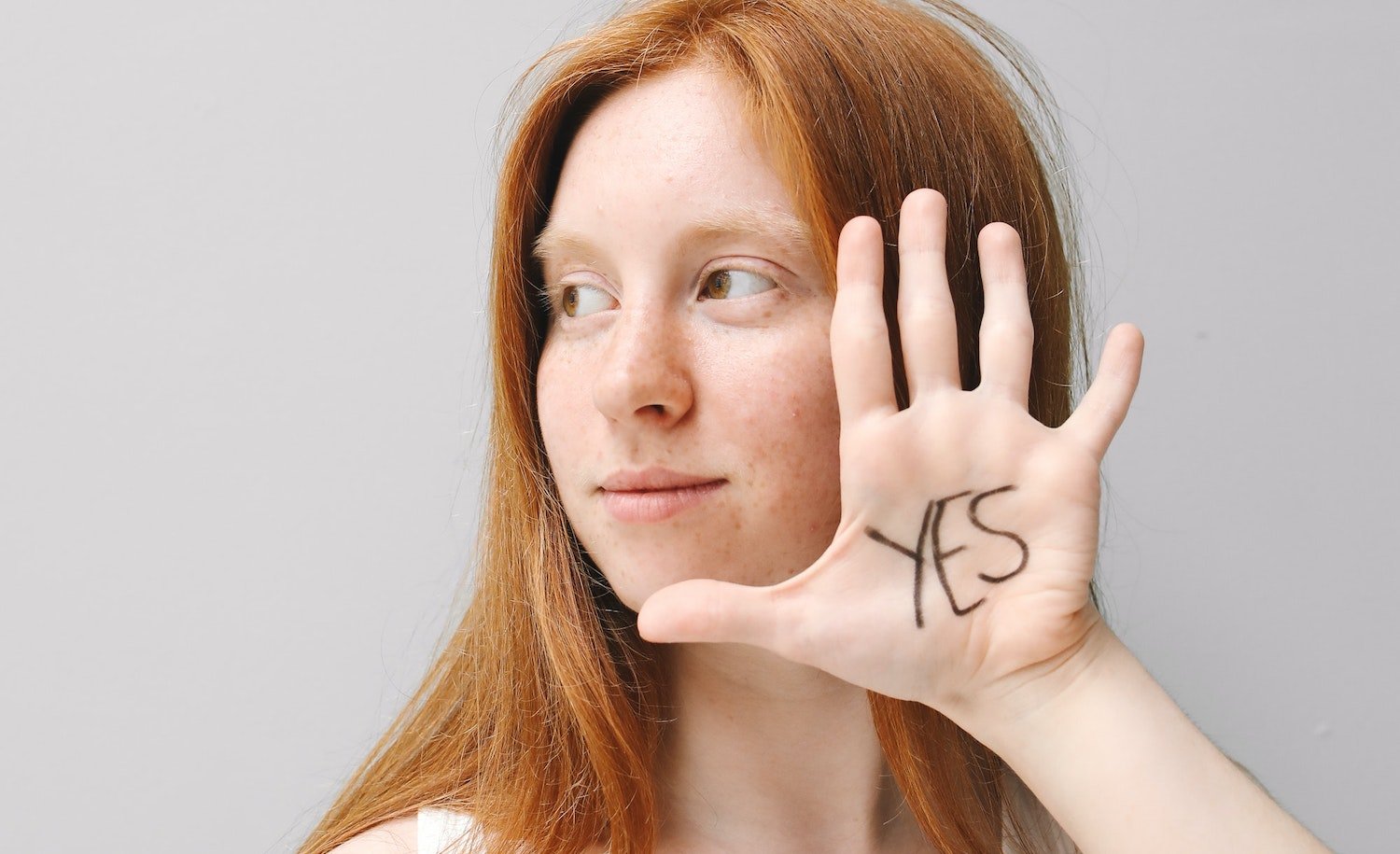

HSPs feel that if we don’t say yes, we are disappointing someone. But those “yeses” add up—and soon you’ll be the lowest priority.
Highly Sensitive People (HSPs) are often more prone to a people-pleasing tendencies or behavior like others. I am certainly one of them. I worry myself to the point of insanity in various situations: if I think I’ve annoyed someone; if people think I’m stupid because of a suggestion I made in a meeting (and my boss will therefore think I’m an idiot); or if I had to cancel plans with a friend and they get really upset because I’m letting them down. Sound familiar, anyone?
I have worked many long hours in my career (as many of us HSPs have). But when you like people-pleasing, you can fall into the “people-pleasing trap,” where we fear being abandoned or rejected. we often go out of our way to make others happyat our own expense (be it sleep, time spent with our family, etc.).
I often stayed very late at work, not thinking much of it. Or asked to complete something at the last minute and get it done that day. Or should I go home after my notice time… These “requests” – then expectations – to work late would then snowball and become more and more frequent: I would constantly work to keep the clients (and my bosses) happy.
“People-pleasing” is related to the lack of boundaries
Ultimately, it all stemmed from the feeling that if I didn’t say yes, I would be disappointing my boss (or whoever) and letting them down. (I’d hate for them to think I can’t handle the job.) So instead of setting boundaries, I would say “yes” every time.
This can also happen in situations where you want to ‘fit in’ – or find yourself agreeing to something when you are actively working. try to avoid conflict. As HSPs, we often avoid situations that may be distressing or stressful. So if that’s what we have to do to avoid such situations, to keep the peace, then we might do that.
Doing nice things – and being kind and helpful – is obviously a great quality (and innate with HSP). If you offer your help to others because will to helpthen that’s great! However, if you are concerned and ask yourself, Wait – if I say no, or if I disagree with what they said, will they get mad at me? Don’t you love me anymore? Will they look down on me or think badly of me going forward? that’s when it becomes worrisome.
If you’re reading this—and you’ve made it this far (and thank you!)—I’m going to assume that you might be a people-pleaser as well as an HSP. To try to reduce my human-loving tendencies, that is for my mental and physical healthI tried some new tactics. Maybe—hopefully—they will work for you, too.
Like what you’re reading? Get our newsletter just for HSPs. An email every Friday. Click here to sign up!
4 Ways for HSPs to Avoid Falling into the People Pleasing Trap
1. Take time to connect with yourself.
Many of us have many things going on at once. However, I have found that taking time out and being quiet makes it easier to “tune in” to myself. You can try it he meditates, diary writingor just sit and watch the world go by.
Being alone – without distractions like TV, music, social media and so on – can be really helpful. It helps you get to know who you are and what it feels like to be your true self. This may require us to say no to something (or many things) in order to make time for you. But it is very important for us HSPs to reduce the overload around us and grounding the present moment.
2. Step away from the phone.
Taking time away from social media (as crazy as it is to suggest as someone who works in digital marketing) can really help. We are often sold (or “told”) what is “in” or “attractive” or what we should strive for. But what we may really need is an absence to discover what we are doing indeed will, what our goals and passions areand what we love and value.
3. Try to stop asking people for their opinions and advice.
I’m really bad at this. I sometimes even ask for decisions that some would consider very small and easy to make. For example, I would ask everyone and their dog what color nail polish to use (as opposed to choosing the color myself). Or I would ask someone else to listen to an idea first, for fear of looking stupid in a meeting and disappointing my manager.
But lately I’ve been actively trying to stop asking for opinions or feedback on minor things that I know I can decide for myself. (Of course, feedback is incredibly useful for many other things, but no all). Instead, I try to take some time to think, Good, but what do I really think about this? How do I feel about this?
It sounds very simple, but it can make a big difference. And it can often sound a little scary to those who often seek other people’s opinions first. Just start slowly! Moving away from asking for opinions can be very powerful! Plus, As HSPs, our intuition is incredibleso it’s time to listen!
4. Take your time to make a decision.
Speaking of decision making, I try to take the time to think things through a bit more, especially before I commit to a bigger decision. Thinking about it – and considering how long it might take – are important factors to consider. Do I have time for it? Will this cause stress? Ask yourself these key questions before committing to a decision. If you can, try to step outside and think about these questions first. Over-commitment can lead to burnout – something HSPs are prone to – and can put us under a lot of (unnecessary) stress.
Need to soothe your sensitive nervous system?
HSPs often live with high levels of anxiety, sensory overload, and stress—and negative emotions can overwhelm us. But what if you finally felt at ease?
This is what you will find in it this effective online course Julie Bjelland, one of the world’s leading HSP therapists. You will learn to turn off the racing thoughts, end the emotional outpouring, eliminate the sensory overload, and finally make room for your sensitive gifts to shine.
Stop feeling held back and start believing that you can handle anything. Check out this “HSP Toolbox” and start making changes today. Click here for more information.
After all, it’s not just about saying no to others – it’s about saying yes to yourself
As people-pleasers and healthcare providers, we need to remember that saying “no” doesn’t make us a bad person. Not at all. Boundaries are healthy—and key for HSPs. Because if we always say “yes”, we can easily burn ourselves out.
Yes, it’s hard to break away from our people-pleasing mindset. But taking small steps can have a positive impact on our mental health and happiness. And that’s the most important thing.