

Injury it is not only about what happened to us, but also about the silence, aloneness and lack of security that surrounded the event.
This huge truth was revealed during a heartfelt conversation between Mel Robbins, motivational speaker, bestselling author and host of The Mel Robbins Podcast, and Dr. Gabor Maté, renowned physician, trauma expert and guest teacher of the Mindfulness Meditation Teacher Certification program.
In this poignant conversation, Mel bravely shared her personal story of being sexually abused as a child. Known for her compassionate approach to trauma, Dr. Maté explored the deeper layers of painful experiences—not just the event itself, but also the emotional isolation that often surrounds it.

Watch the conversation: Mel Robbins and Dr. Gabor Maté
It is strong in this YouTube video clipMel Robbins recounts an early childhood trauma and reflects on how difficult it was to talk about it at the time. She also imagines what it would be like for her daughters to go through something similar – and how silence and isolation can deepen the impact of painful events.
Dr. Gabor Maté responds with deep compassion, reframes trauma, and provides insight that applies not only to Mel’s story, but to the universal experience of wounding and healing.
Featured Videos: Key Exchange Insights
- The trauma is deeper than the event itself. A core wound often comes from being alone with the pain.
- Loneliness can exist before the event. Vulnerability and lack of protection set the stage for trauma to take root.
- Abusers feel vulnerable. As Dr. Maté explains, defenseless children are often spotted with “laser precision.”
- Healing begins with recognition. Recognizing that trauma is multi-layered—event and isolation—opens the door to recovery.
Mel’s honest answer – “It makes me sad that I didn’t know this sooner. But I am very grateful for your work” — reflects the relief and healing that comes from compassionate understanding.
Why is it important to recognize different types of trauma?
Trauma is often layered. The overt event (like abuse or neglect) is one thing, but the underlying wounds—emotional isolation, insecurity, or unprocessed fears—can amplify the suffering.
By acknowledging these layers, healing is less about surface-level coping and more about root-level transformation. Mindfulness and compassionate inquiry allow us to approach trauma with reverence, curiosity, and care.
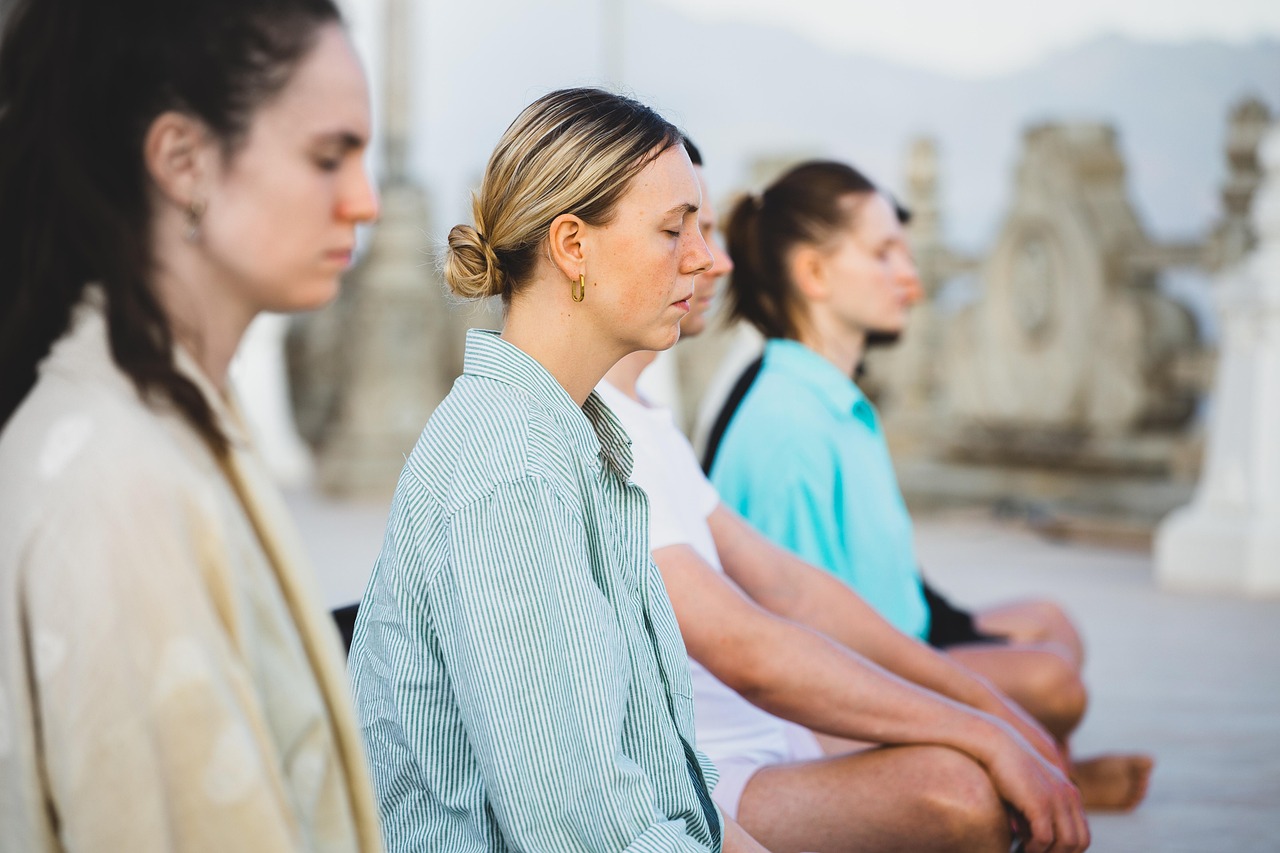
Mindfulness-based exercises for healing trauma
Based on Dr. Maté’s compassionate examination and mindfulness principles, we present four exercises that you can start using today:
Emotion Awareness: Notice and name without judgment
- Procedure: Sit quietly for 5-10 minutes. Notice your breath, then examine your body. Where does tension appear – chest, abdomen, jaw? Gently name the emotion: “It’s fear.” “It’s sad.”
- Tip: Guided meditations, such as body scans, can help you develop ‘gentle awareness’.
- Application: Families can encourage children to draw or write about body sensations. Therapists can help clients recognize how past isolation is re-emerging in present emotions.
Compassionate questioning: Ask curious questions
- Process: When an emotion or memory arises, stop and ask, “What is this feeling trying to tell me? Where is it coming from?” Sit with whatever comes up without judgment.
- Hint: Journaling can reveal patterns such as recurring fears associated with childhood isolation.
- Application: Parents can model curiosity by sharing their feelings with children. Clinicians can guide clients to the origins of recurrent emotional pain.
Dealing with self-judgment: Listen to the Observer
- Process: Watch for self-critical thoughts: “I shouldn’t feel this way.” Then step back, “Oh, there’s judgment going on.”
- Hint: Treat yourself like a close friend. Over time, judgments soften, creating space for healing.
- Application: Families can use “monitoring statements” during conflicts. Therapists can use this technique to help clients process feelings of shame.
Setting healthy boundaries and self-care rituals
- Process: Identify areas where you feel vulnerable. Carefully set boundaries: “I need space to process this.” Pair it with self-care practices like daily walks, journaling, or loving meditation.
- Hint: Boundaries reduce anger and restore a sense of security.
- Application: Families can establish safe spatial routines, such as weekly check-ins. Therapists can integrate self-care into trauma-informed treatment plans.
Final Thoughts: Healing is not linear
Healing trauma a multi-layered and deeply personal journey. It requires patience, mindful awareness and compassionate support. Whether you practice mindfulness alone, work with a therapist, or explore Dr. Maté’s compassionate examination method, remember:
-
Healing happens in small, intentional steps.
-
Safety and connection are at the heart of healing.
-
You don’t have to do it alone.
If you are participating in our certification program, we recommend that you review Dr. Maté’s teachings in the course modules for more in-depth guidance. And if this conversation between Mel Robbins and Dr. Gabor Maté resonates with you, share your thoughts on our community forum – we’d love to hear your thoughts.