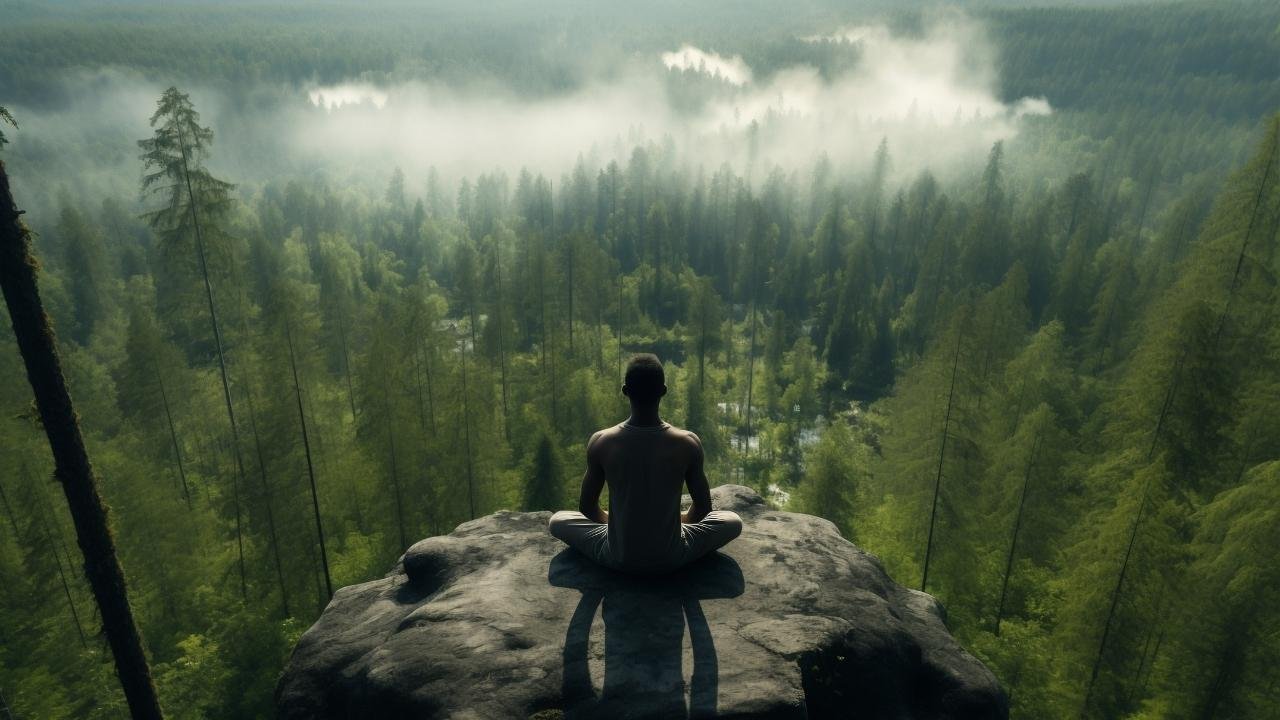

Discover the ancient practice of silence, a simple yet profoundly powerful path to clarity, peace, and mindful awareness. In a world full of constant noise, distraction, and urgency, silence offers an opportunity to step back, breathe, and reconnect with the present moment.
In moments of stillness, we begin to notice our thoughts, emotions, and feelings more and more clearly and gently. Silence allows the mind to calm, the heart to open, and our attention to deepen.
By cultivating this practice, we create space for insight, creativity, and peace, learning to live in each moment with greater presence, care, and awareness.

Go to Silence
There is a timeless instruction that has changed countless lives: “Go into silence!”
As one teacher said, “Go and sit quietly by yourself…listen to the still, small voice.”
If we stay long enough, the surface noise of the mind begins to settle. Around the 25-30 minute mark, the calm deepens, the energy accumulates, and the next right step often becomes clear.
Sitting in silence, this simple plot is both ancient and deeply trustworthy.
I practiced this exclusively as a Buddhist monk for two years and it changed my life in ways imaginable.
Below is a step-by-step 60-minute silence practice, timeless wisdom from ancient traditions, and trauma-sensitive adaptations to make your silence practice safe, compassionate, and sustainable.
60-minute silence exercise
Set your intention (2 minutes)
Start with a heartfelt sentence:
“I’m here to listen.” Allow this intention to gently come to the center of your awareness.
Arrival in the body (8 minutes)
Soften your belly. Feel the seat, hands and feet. Let the breath move naturally. Quietly named sensations: warm, soft, heavy, tingling.
Expand your territory (10 minutes)
Notice sound and space—the hum of the room, the silence beneath the sounds. When thoughts arise, accept them graciously and return to listening.
Rest in simple knowledge (10 minutes)
No fixation, no forcing. Simply become still as awareness itself. The Yoga Sutras describe this as “stilling the fluctuations of the mind.”
The threshold (10-15 minutes)
Around 25-30 minutes, thinking can become thin. Don’t chase the experience – just notice it. Insight often begins here.
Inquiry (10 minutes)
If you have a question or concern, ask yourself:
“What’s your favorite next step?” Then keep quiet and listen to what happens.
Closing and fixing (5 minutes)
Gently open your eyes. Log a few lines:
Treat insights like seedlings – nurture them daily.
Tip: Lack of time? Try a 30-minute version with the same rhythm: 2 (intention) · 6 (arriving) · 8 (widening) · 8 (resting) · 4 (asking) · 2 (closing).
Ancient wisdom about silence
Hebrew Bible
(1 Kings 19:12): Guidance comes as a “still small voice.”
Upanishads
“Where words and mind turn back, they are unreachable.”
Tao Te Ching
“He who knows does not speak, he who speaks does not know.”
Yoga Sutras
“Yoga is the arrangement of the movements of the mind.”
Desert Fathers
“Go sit in your cell and your cell will teach you everything.”
Master Eckhart
“Nothing is so like the divine as silence.”
Rumi
“There is a voice that does not use words – listen.”
A trauma-sensitive approach to silence
Silence should feel like a sanctuary, not a struggle. Trauma-based mindfulness reminds us that choice is the key to safety.
When you sit:
-
Choose anchors: breath, hands, sounds or a kind phrase.
-
Be flexible: eyes open or closed, adjust posture as needed.
-
Prioritize comfort: If you feel short of breath, focus on touch or environmental sounds.
When the mind argues with reality
Silence often reveals the thought that really hurts. In those moments, try Byron Katie’s gentle question:
“Who would I be without this story?”
Notice what eases when the story loosens up—that’s often where healing begins.
10-minute “micro-silence” exercise
Ideal for busy days:
-
2 minutes: Arrive in your body – feel the ground beneath you.
-
3 minutes: Listen outward and inward—to sounds, breathing, and heartbeat.
-
3 minutes: Rest in your awareness without trying to change anything.
-
2 minutes: Ask, “What would be most helpful right now?” and note a next step.
Common obstacles and their solutions
- Restlessness: Slow down the exhalation and ground through your feet.
- Drowsiness: Open your eyes, stretch your spine, or stand for a short time.
- Emotional outpouring: Switch to a neutral anchor (voices or hands) or pause the exercise.
- There are no big answers: Silence is not automatic—insights blossom later.
For teachers and governors
If you lead others quietly:
Remember: Presence is more important than perfection.
Gentle Invitation
If this practice appeals to you, join us live community meditations — supportive spaces where you can sit, relax and listen deeply.
Come as you are. Sit quietly. Let the still, small voice guide you home.