
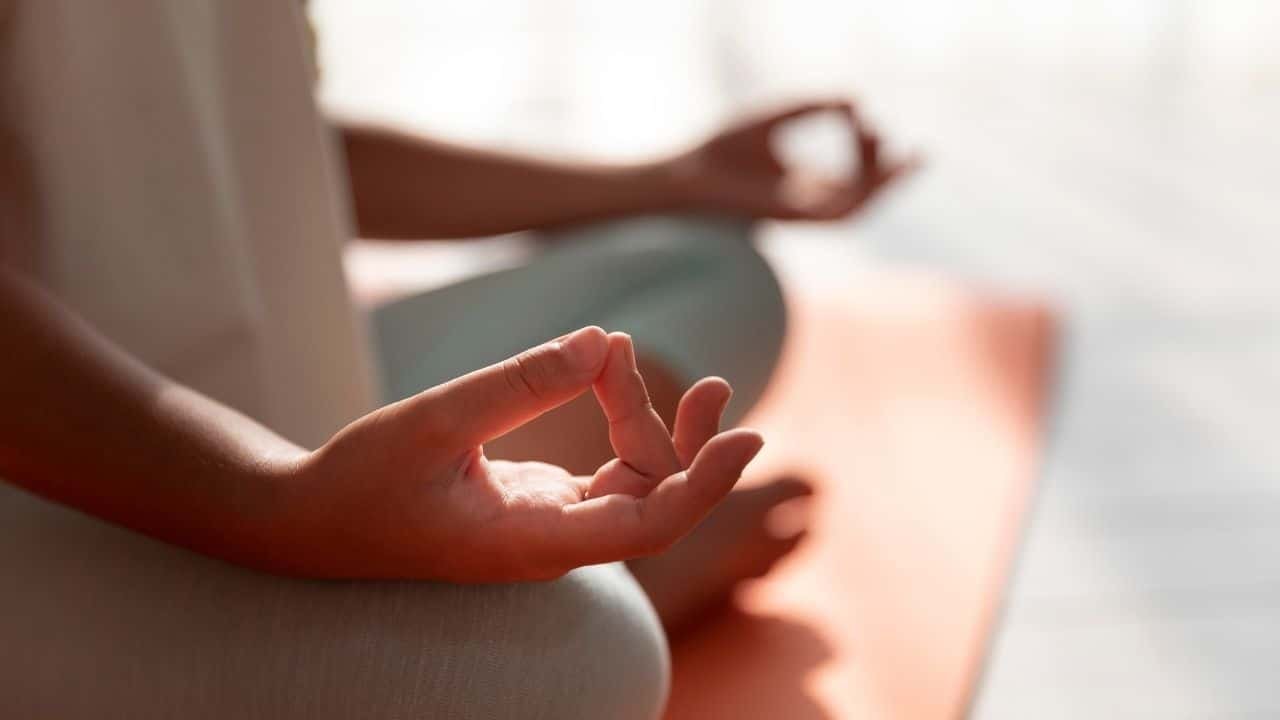

Mindfulness a way to meet life as it unfolds, whether in pain, rest, or wonder. It invites us to slow down, notice our thoughts and feelings, and respond with presence, curiosity, and care instead of reacting automatically. Each week I share thoughts, insights and simple exercises to help you live more consciously. These ideas are meant to inspire, guide and support you in bringing awareness to everyday moments, cultivating calmness, clarity and connection. Mindfulness is not about perfection; it’s about showing up fully as you are in every moment of life.
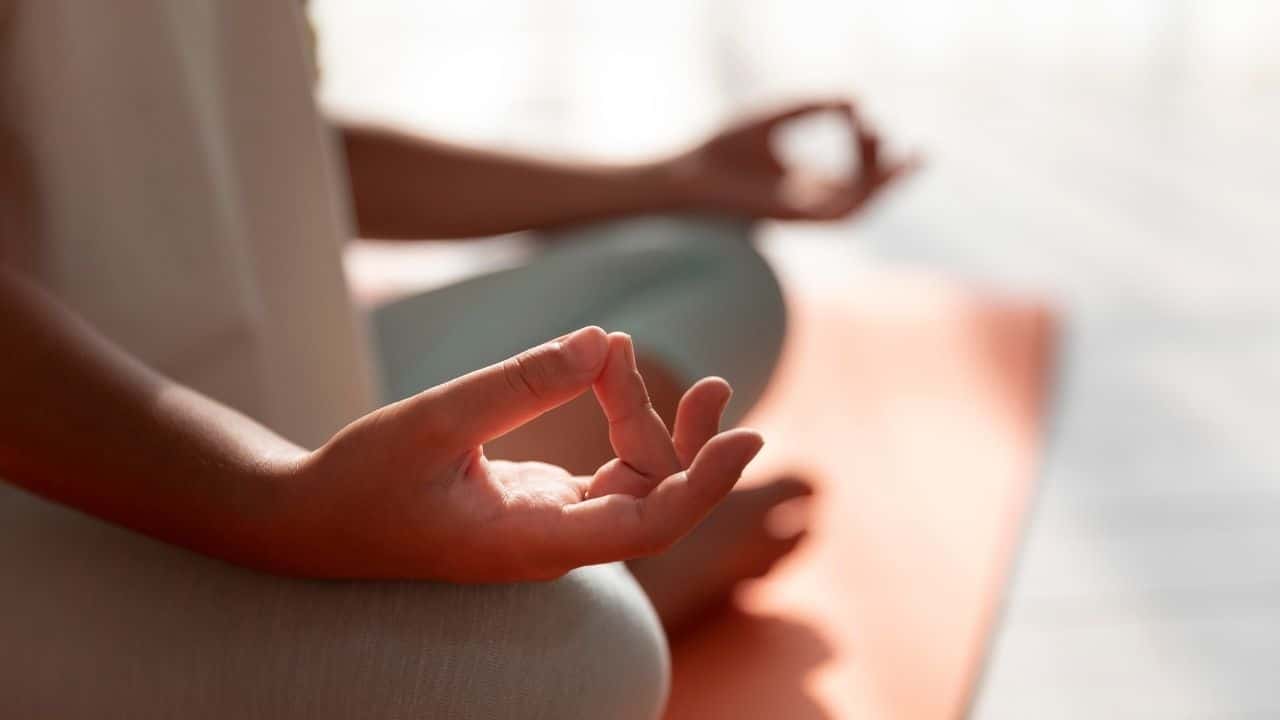
What I practice: Pain awareness
A few days ago I broke my ankle – a humbling reminder that mindfulness is not just what we teach; it’s something we live. Every movement now encourages me to gently become aware of both physical sensation and emotional response.
Two key mindfulness practices guide you through this experience:
- Separation of physical pain from mental suffering. Pain is inevitable, but resistance and judgment add layers of tension that amplify it.
- Judgment is replaced by curiosity. Instead of labeling pain as “bad,” I’m learning to treat it with caring attention—noticing the feelings moment by moment as they rise and fall.
I used to teach chronic pain mindfulness to doctors and patients around the country. I can now fully, honestly and compassionately practice what I once taught.
What I’m learning: Vagus nerve stimulation and compassion meditation
A fascinating new study from UCL’s Department of Psychology and Linguistics shows that stimulation of the vagus nerve can amplify the benefits of compassion meditation.
“Our findings reveal how neuroscience technology can have a significant impact on how we feel. Neurostimulation alone has had limited benefits, but it can support meditation therapies…helping people with mental and physical health problems.” – Professor Sunjeev Kamboj, UCL Psychology & Language Sciences
In other words, compassion meditation it can become even more effective when supported by stimulation of the vagus nerve—opening up exciting possibilities for therapists, teachers, and anyone interested in the intersection of neuroscience and consciousness.
What I Share: The Wisdom of Stoicism

I revisited one of my favorite philosophical traditions—Stoicism, a timeless guide to navigating life’s challenges with clarity and poise.
In our latest article The Wisdom of Stoicism: 100 Powerful Stoic Quotes to Live ByWe explore the insights of Epictetus, Seneca and Marcus Aurelius. Here are a few that remain grounded:
-
“Freedom is the only worthy goal in life. It is won by ignoring the things beyond our control.”
-
“I cannot avoid death, but at least I can escape the fear of it.”
-
“He who laughs at himself never runs out of things to laugh at.”
What I feed on: Deep rest as a conscious reset
Sometimes our minds and bodies don’t need more activity – they need deep rest. Without silence, the mind cannot recharge. Without a break, our sense of purpose begins to fade.
Here’s an exercise I’ve been leaning into: Schedule a full day of intentional rest once a month – no meetings, no assignments, no to-do lists. Just rest, reflection and presence.
If a full day seems impossible right now, that’s okay. Start with half a day or even a slow, mindful morning. Length matters less than intent.
Rest, however, nourishes me the most – lying in the grass, reading poetry, watching the clouds drift by. Ironically, intentional non-productivity often returns our deepest energy and focus.
And because real rest fosters real connection, I’m excited to announce the new monthly live event – free for everyone – with mindful conversation, guided meditation and community sharing.
🧘♀️ Join us on the 1st Wednesday of every month
👉 Free Live Mindfulness Talk & Meditation
A poem I love: Aimless Love by Billy Collins
Poet Billy Collins beautifully captures the simple tenderness of being awake to everyday life:
“This morning, while walking by the lake, I fell in love with an ox-eye, and later in the day with a mouse that the cat dropped under the dining room table…
This is the best love, I thought, without reciprocation, without gifts, bad words, without suspicion…”
This poem reminds us that mindfulness is essentially aimless love—an open-hearted presence that meets the world just as it is.
Final reflection
From mindful healing to deep relaxation, this week’s exercises are a reminder that awareness and compassion are inseparable. Whether through neuroscience, philosophy, or poetry, all paths lead back to presence.
Find peace in your healing, courage in your curiosity, and love in the most ordinary moments.



