
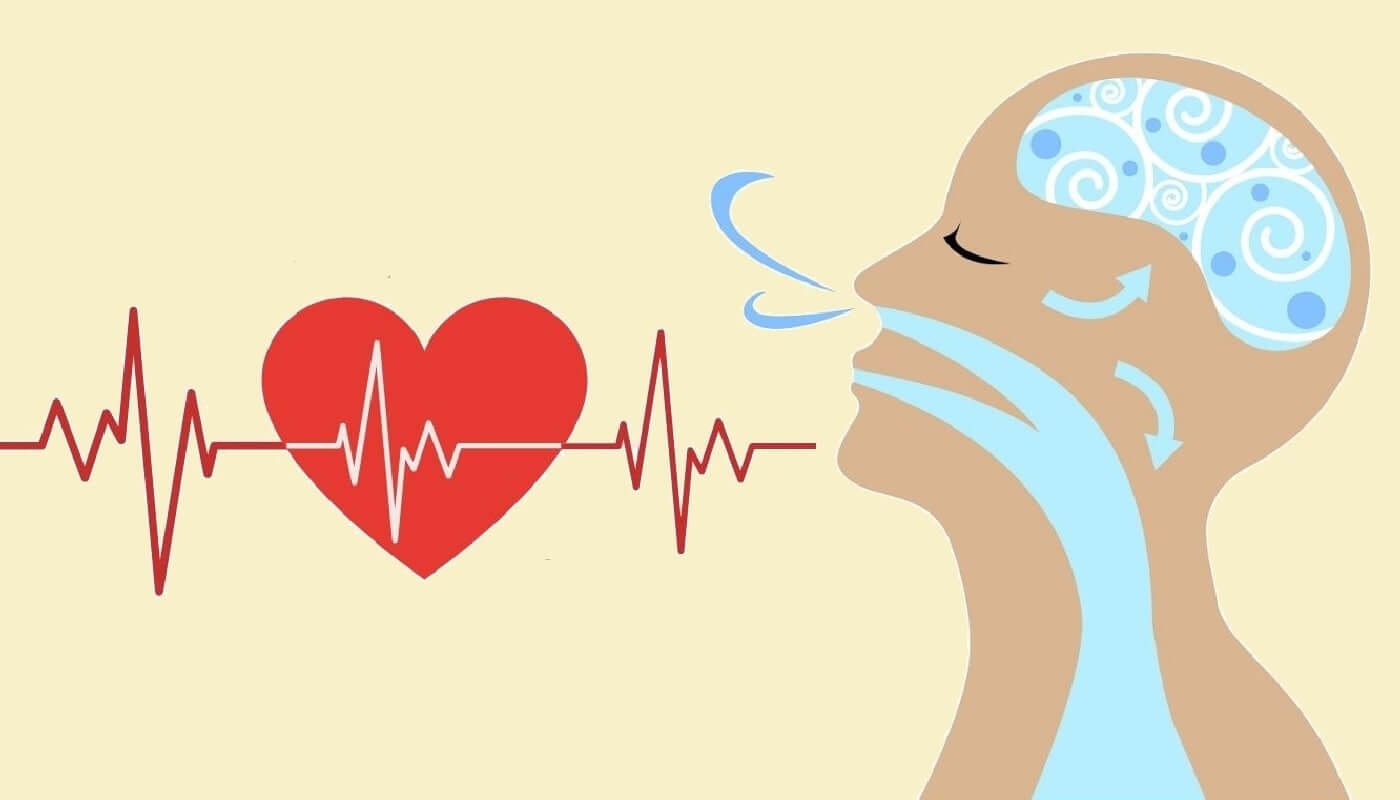

Why monitoring physical symptoms is essential in the treatment of anxiety, depression, and trauma
Mental health is not only in your head, but in your racing heart, shallow breathing, tense muscles and disturbed sleep. The separation of mental and physical health is artificial. Your psychological state produces measurable physiological changes, and understanding these physical manifestations provides effective tools for treating mental health conditions.
When you’re anxious, your heart rate goes up. When you have a panic attack, your breathing becomes fast and shallow. When you are depressed, heart rate variability often decreases. These are more than just symptoms—measurable data points that can guide treatment and provide objective feedback on whether interventions are working.
Mental health professionals are increasingly recognizing that teaching clients to monitor and regulate physical stress responses is as important as cognitive therapy or medication. Here’s how understanding your body’s stress physiology can change the way you approach mental health.
The autonomic nervous system: the physical basis of your mental health
The autonomic nervous system has two branches that act like a seesaw:
Sympathetic nervous system (fight or flight): Activated in case of stress, danger or perceived threat. The heart rate increases, breathing speeds up, digestion slows down, muscles tense up. It adapts to actual emergencies, but is devastating when chronically activated by anxiety or trauma.
Parasympathetic nervous system (rest and digestion): Activates during security and rest. The pulse slows down, breathing deepens, digestion restarts, muscles relax. This is where healing, recovery and emotional regulation takes place.
Mental health conditions often reflect autonomic dysregulation – anxiety is stuck in sympathetic activation and depression can reflect parasympathetic dominance, PTSD produces excessive startle reactions and hypervigilance.
Understanding this system explains why responses to physical stress (breathing, exercise, progressive muscle relaxation) improve mental health.
Heart rate: An objective measure of anxiety
Your heart rate tells you what your nervous system is doing. Learning to monitor and interpret heart rate provides objective feedback on anxiety levels and treatment effectiveness.
Resting heart rate: A chronically elevated resting heart rate (over 70-80 bpm in most adults) often indicates persistent stress or anxiety. As anxiety improves through therapy, medication, or lifestyle changes, resting heart rate usually decreases, providing objective evidence of improvement.
Heart rate reactivity: How quickly and dramatically your heart rate increases in response to stress indicates stress sensitivity. People with anxiety disorders often have an exaggerated heart rate response to minor stressors.
Recovery rate: How quickly the heart rate returns to baseline after stress indicates autonomic flexibility and resilience. Slower recovery indicates poor stress tolerance and greater vulnerability to anxiety.
THE HR zone calculator helps you understand whether your heart rate responses are within the normal range or indicate an autonomic dysregulation that requires attention. Although designed for exercise, understanding heart rate zones provides context for interpreting physical anxiety symptoms.
Clinical application: If you notice an elevated heart rate while feeling anxious, having “my heart rate is 120 bpm, which is zone 3 – elevated, but not dangerous” can reduce the catastrophic thinking about heart attack or medical emergency that often accompanies panic.
Breathing: The most accessible anxiety intervention
Controlled breathing is perhaps the most powerful tool available for treating acute anxiety, panic attacks and chronic stress. It works because breathing is unique—both automatic (you don’t have to think about it) and voluntary (you can control it).
Why is breathing important for mental health?:
Your breathing pattern signals safety or danger to the brain. Rapid, shallow breathing (hyperventilation) activates the sympathetic nervous system, causing or exacerbating anxiety. Slow, controlled breathing activates the vagus nerve, stimulates the parasympathetic nervous system and creates calmness.
This is not placebo, but measurable physiology. Studies using brain imaging show that controlled breathing reduces activity in anxiety-related brain regions within minutes.
Evidence-based breathing techniques:
THE Breathing is a practical tool guides you through proven patterns:
Box breathing (4-4-4-4): Inhale for 4 seconds, hold for 4 seconds, exhale for 4 seconds, hold for 4 seconds. This pattern is used by Navy SEALs for stress management in high pressure situations. Effective for mental health:
- Acute panic attacks
- Preparation for stressful situations (before lectures, social events, medical appointments)
- Interruption of rumination cycles
- Reducing hypervigilance in PTSD
You can read more here: Panic disorder
4-7-8 Breathing: Inhale for 4 seconds, hold for 7 seconds, exhale for 8 seconds. Extended exhalation activates the deep parasympathetic response. Particularly effective:
- Insomnia (practicing lying in bed to induce sleep)
- Anger management (physical de-escalation)
- Agitation associated with depression
- Severe anxiety that requires prompt intervention
Continuous breathing (5-5): Inhale for 5 seconds, exhale for 5 seconds (approx. 6 breaths per minute). This optimizes heart rate variability – a measure of stress tolerance. Regular practice (10-20 minutes a day) builds:
- Basic stress tolerance
- Improved emotional regulation
- Better autonomic balance
- Reduced sensitivity to anxiety
A challenge in times of crisis: It is difficult to count during severe anxiety. Automated breathing guides remove the cognitive load—you simply follow visual or audio cues instead of trying to count while panicking.
Exercise intensity and mental health
Exercise is one of the most effective mental health interventions, with evidence comparable to medication for mild to moderate depression and anxiety. But intensity matters.
For depression: Moderate to vigorous aerobic exercise (heart rate 60-80% of maximum) shows the strongest antidepressant effect. This intensity induces neurobiological changes – increased BDNF (brain-derived neurotrophic factor), improved neuroplasticity and neurotransmitter regulation.
For anxiety: Lower- or moderate-intensity exercise often works better than high-intensity exercise. Extremely intense exercise can temporarily increase anxiety in some people by mimicking the physical symptoms of anxiety (elevated heart rate, heavy breathing, sweating).
In case of PTSD: Rhythmic, bilateral activities of moderate intensity (walking, jogging, swimming) can have trauma-processing effects similar to EMDR therapy.
You can read more here: Post Traumatic Stress Disorder (PTSD)
Understanding your heart rate zones will help you optimize your training for mental health goals. If someone trains against depression, it benefits from the sustained 3-4 zone intensity. You may find anxiety zone 2-3 more therapeutic.
The Integration: Mind-Body Mental Health Management
Effective mental health treatment increasingly integrates cognitive work with somatic (body-based) interventions:
In therapy sessions:
- Start with body inspection and breathing to regulate your nervous system before you speak
- Application of breathing techniques when discussing triggering topics
- Teaching clients to notice physical expressions of emotion
- Practicing progressive muscle relaxation to release tension
Between sessions:
- Daily breathing exercises to increase stress tolerance
- Heart rate monitoring during anxiety to reduce catastrophizing
- Exercise at the right intensity for specific mental health goals
- Sleep hygiene that promotes the recovery of the autonomic nervous system
Crisis management:
- Breathing during panic attacks or acute anxiety
- Heart rate monitoring to monitor physiological comfort (objective evidence of improvement)
- Movement in agitation or restless depression
- Progressive muscle relaxation for trauma-induced muscle tension
The bottom line
Your mental health is as much in your body as it is in your mind. Racing thoughts correlate with a racing heart. Anxiety manifests as shallow breathing. Depression manifests itself in heart rate variability. Trauma stores muscle tension and autonomic hypervigilance.
Understanding these physical manifestations offers:
- Objective measures of symptom severity and improvement
- Accessible interventions (breathing, movement) that work through mechanisms other than therapy or medication
- Reduces fear of physical anxiety symptoms by understanding that they are autonomic reactions and not medical emergencies
- Tools for self-management between therapy sessions or when professional help is unavailable
Mental health treatment that only addresses thoughts and emotions while ignoring the role of the body misses out on significant therapeutic impact. Breathing provides immediate nervous system regulation. Heart rate measurement provides objective feedback. Exercise causes biological mood changes. Body-based exercises achieve healing in ways that talk therapy alone cannot.
His anxiety lives in his rapid breathing and increased heart rate. Your stress lives in your tense shoulders and disturbed sleep. Your depression lives in your low energy and physical lethargy. Treating mental health holistically means treating the whole system—mind and body together—not one or the other in isolation.



