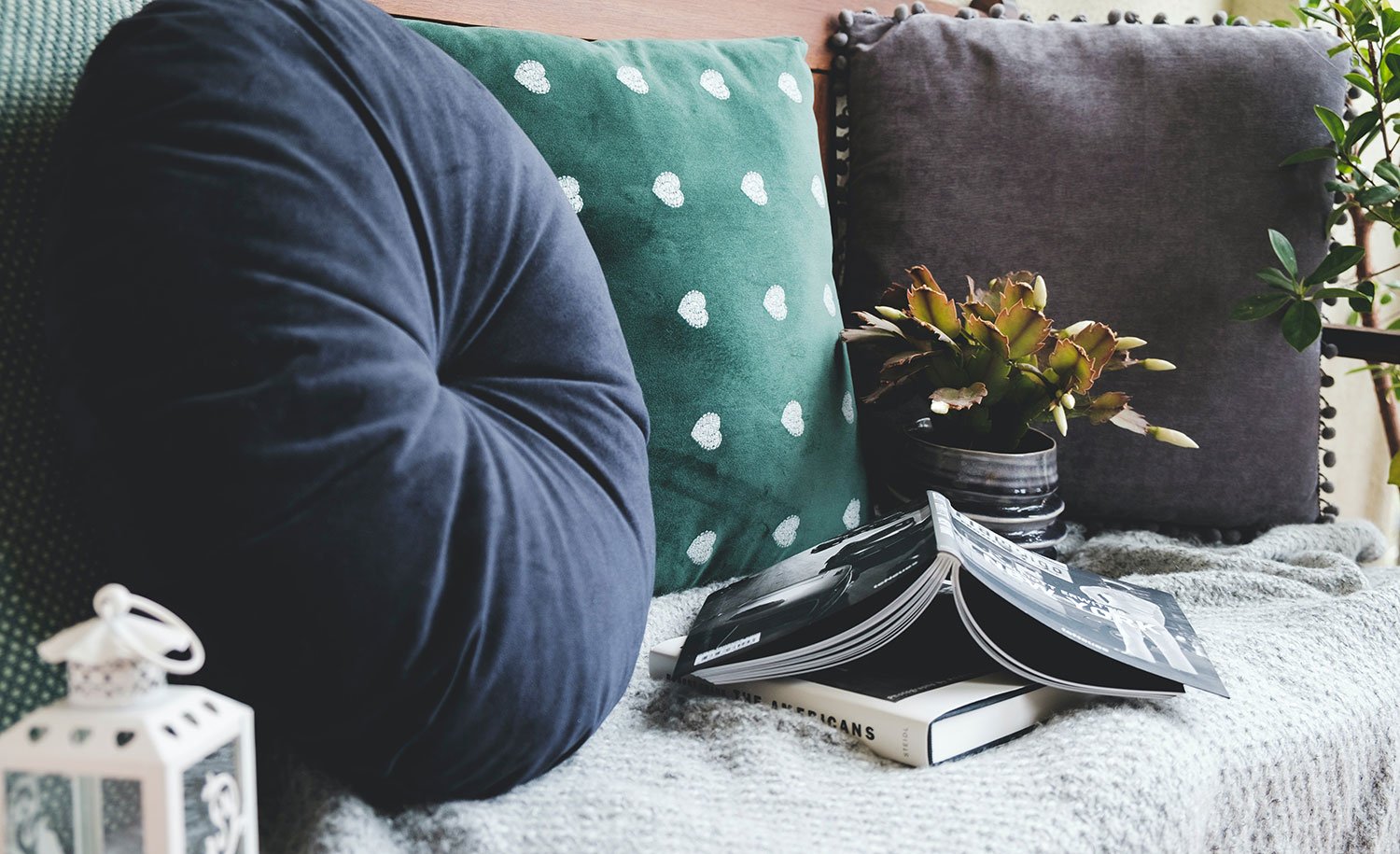

The easiest way for an introvert to find peace and quiet is to create a room that is theirs and theirs alone.
For many of us, the past few years have resulted in us sitting at home a lot. (And some of us are still home a lot for work.) This is unexpected spike in downtime I did a lot of tinkering around the house – rearranging, rearranging and cluttering the same rooms for months was a good way to avoid boredom. Looking back on my experiences, I realize how much my environment affected my overall well-being.
Research shows how many factors, from your work environment to your home life, can have a significant impact on how you feel on a daily basis. Stress and anxiety outside the home can linger and worsen if you don’t give yourself time and space to recover from the day and improve your mood.
For an introvert like me, it is important to have a space, one an introverted sanctuarywhere I can comfortably recharge at the end of the day. Creating a safe, calm and peaceful home is extremely important in managing my overall stress levels and improving my mood. That said, here are some tips to get you started on creating the perfect place to relax, unwind and rejuvenate.
7 ways to create an introvert haven in your home
1. Focus on peace and quiet.
Unless you live alone, chances are you spend a good portion of your day with your partner, kids, or roommates. While a little company is always nice, us introverts can really benefit from some alone time to properly unwind at the end of a hard day. The easiest way to ensure some peace and quiet is to create a quiet room that is yours and yours alone.
Furnish this “introverted zen zone” with your favorite comfortable pieces, be it a comfortable armchair or a couch where you can stretch out in solitude. While not every home has a floor plan that allows for a dedicated quiet room, you can still try to make a space for yourself. Try turning a small, intimate reading nook or project space into an area that allows you to get away from daily distractions and focus on the things that help you feel good.
2. Place dividers between rooms to maximize privacy.
Open floor plans are becoming increasingly popular in interior design. Studio apartments, converted industrial houses and other layouts that emphasize openness are thought to free up space and create a more natural, connected home. This trend ignores that open floor plans are also noisy and anything but private, which can overwhelm the senses and stress out introverts.
Instead, consider a more traditional layout with walls and dividers between rooms. The last thing I want to hear when I’m trying to relax in a quiet place is the television, the kitchen appliance, or the conversation from the other side of the house. Walls, especially upholstered or otherwise sound-insulated walls, effectively filter out noise and other distractions, so to rest and recharge.
3. Choose pleasant, soothing color palettes to promote relaxation.
When I come home after a long day, I want the room to feel like a peaceful retreat from the rushing, intense world outside. Using a pleasant, neutral color scheme can help keep the space calm and unstimulated. A little color theory goes a long way, so experiment with a few of your favorites. Lighter neutrals like off-white or beige can brighten up a room and lift the mood, while darker shades like gray and blue can create total relaxation.
Think about how you want to feel in certain areas of your home and find a beautiful and simple color scheme to make it yours. Paint your living room walls a soft green for more character, or paint your bedroom a calming gray to help you get a good night’s sleep. Mixing and matching colors in different rooms can create a peaceful atmosphere that suits your unique needs.
Do you ever struggle to know what to say?
Someone asks, “Why are you so quiet?” A co-worker corners me when you are exhausted. A friend strives to plan you don’t have the energy for it.
Later he thinks I wish I had said something.
I’ve been there too. That’s why I created it Confident introverted scripts.
That’s over 150 ready-to-use phrases time spent alone, protection of boundaries, energies, social life, etc. The guide is provided by feedback from therapists and introverted colleagues to make sure it really helps when your mind goes blank.
40% discount For introverts, Dear Readers. Use the code TRUST at the checkout.
Click here to purchase the guide.
4. Choose materials with a soft touch.
Creating a pleasant home atmosphere means more than just moving some furniture or updating the decor. It’s about building a space where we can feel completely comfortable, both mentally and physically. If tactile sensations help calm you down, try revamping your arrangement with soft materials that make it easier to let go of your worries. After all, it’s a lot it’s harder to feel overwhelmed while wrapped in his favorite warm fuzzy blanket.
Another thing that helps me is using soft and breathable fabrics for upholstery. Consider a comfortable microfiber sofa in the living room or a smooth velvet chair in your favorite reading spot. In bedrooms, plush pillows, comfortable bedding and even a new mattress can completely change the way you rest. The physical comfort of soft things makes it easier for me to recharge, so consider giving it a try and see what works.
5. Let the sunshine in – natural light is better than artificial light.
Research has shown that long-term exposure to artificial light can have harmful effects on your health. Whether it’s the harsh overhead lights of your office or the glow of your phone screen at night, these synthetic lights can cause headaches and headaches. restless sleepwhich makes it even harder to relax. One simple solution to this problem is to illuminate your home with soft, natural lighting.
During the day, I usually keep the curtains and blinds open to let the sunlight into the room. If the layout allows, you can also arrange the furniture in the living room so that your favorite places bask in the sun’s rays. Natural light is scientifically proven mood improvement and head clearing, leading to a healthier state of mind throughout the day.
6. Plant some positivity – green is good for you.
One of my favorite ways to relax is to soak up some natural beauty. Incorporating plants into your home environment is a simple way to add the soothing vitality of the outdoors to your interior. Succulents are a popular and easy choice, requiring relatively little care, while large ferns, houseplants and bonsai trees give you the chance to express your inner gardener.
Caring for plants can also be a therapeutic activity. Establishing a routine of watering and transplanting provides a new and attractive hobby helps relieve tension and anxiety after a hard day. In addition, surrounding yourself with natural things has been proven to improve your mood, promote creativity, and even removal of pollutants and allergens in the air.
7. Decorate in a style you personally love.
Finally, when redesigning your home to create a peaceful, introvert-friendly space, it’s important to think about exactly how you want to feel when you get home each day. Removing unnecessary clutter and renewing mismatched decor is a great start to creating a harmonious atmosphere. But the easiest way to feel at home in your home is to own it.
Decorate in a style you personally love, whether by displaying your favorite photos, heirlooms and curiosities, or by creating minimalist spaces that inspire. focus on yourself and the present moment. As an introvert, you’re more in tune with your own tastes and preferences than anyone else, so make your home a place that’s truly like you.
At the end of the day, create a space that promotes calm
We all need time to regroup after a hard day of overstimulation. Maintaining your mental health It’s a constant process, and finding ways to facilitate social and physical fulfillment can go a long way toward healthy behavior. Creating an introvert-friendly home provides a safe, comfortable and relaxing environment where you can focus on yourself.
There are so many small steps you can take to turn your home into a peaceful haven for introverts. From designing a distracting zen room to stocking up on calming scented candles, there are tons of tips I haven’t gotten around to. At the end of the day, I hope you can use these examples as a starting point to create a space that is calm, centered, and ready for the everyday. 
I enjoy writing about a variety of topics from the comfort of my home office (after all, I’m an introvert who needs to focus on my music.) You can check out more of my writing here virtual portfolio.